Song Meaning
The lyrics paint a stark picture of a city gripped by the arrival of "Pakkasukko," a figure embodying winter's cold. This arrival isn't just a change in weather; it's a palpable force that seems to take hold of the town, leaving everything in its wake frozen and stagnant. The imagery of streets being "built of ice" suggests a complete transformation, where movement and life are replaced by a brittle stillness. The dominant tone is one of melancholic resignation to this frozen state.
The central tension arises from the narrator's personal exclusion from this frozen world, despite the pervasive cold. While "everyone here uses only the previous day," implying a cyclical, perhaps repetitive existence, and "Miss Time herself would just want to leave," highlighting a desire for escape, the narrator feels specifically rejected. The line "Pakkasukko doesn't like me / Won't let me near you" reveals a personal heartbreak intertwined with the seasonal change. This suggests the cold isn't just an external force but a manifestation of emotional distance, preventing connection.
The most striking craft element is the personification of winter and time. "Pakkasukko" arrives with "only cold in hand," a simple yet potent image of its destructive power. The repetition of "everyone here uses only the previous day" emphasizes the suffocating sameness that winter imposes, while Miss Time's desire to depart underscores the feeling of being trapped. The narrator's sorrow "grows from longing," directly linking personal pain to the external cold and the inability to reach someone.
These lyrics resonate because they translate an abstract, overwhelming force like winter into a deeply personal experience of isolation and unrequited connection. The cold becomes a metaphor for emotional barriers, making the narrator's specific pain feel both grounded in the physical environment and universally understood as the sting of rejection. The simple, almost childlike language, combined with the stark imagery, creates a powerful sense of vulnerability and quiet despair.
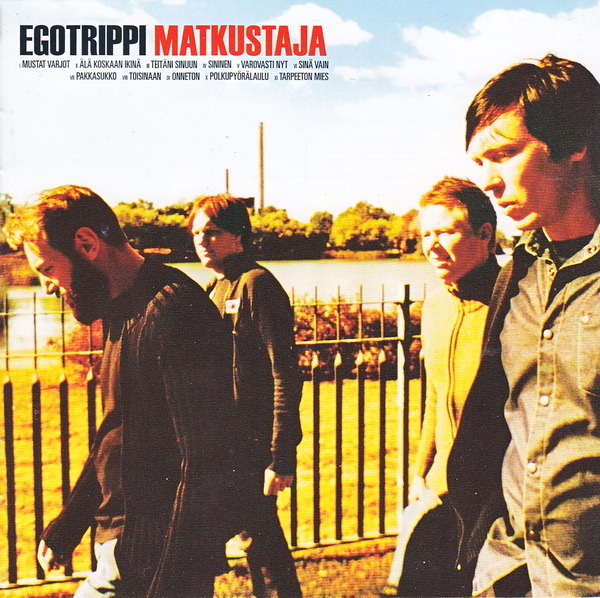
 View Artist