Song Meaning
The lyrics paint a stark, almost cartoonishly grim picture of a relentless antagonist, the "Souljacker." This figure is depicted as capable of extreme physical violence – eating a carcass in a manhole, leaving it for worms, or hanging a neck from a flagpole. The imagery is visceral and unsettling, establishing a tone of dark, almost gothic defiance. The repeated assertion, "Souljacker can't get my soul," forms the core of the narrative, creating a primal struggle against an overwhelming force.
The central tension lies in the narrator's unwavering claim to their soul despite the physical desecration they are willing to endure or have already suffered. The Souljacker's power is explicitly defined as limited to the physical body, the "carcass," while the intangible essence, the "soul," remains beyond their grasp. This contrast between the physical and the spiritual is the engine of the song's defiant spirit.
The most striking aspect of the craft is the sheer, unblinking repetition of the central phrase, "Souljacker can't get my soul." This isn't just a hook; it's a mantra, a shield hammered into existence through sheer force of will. The accompanying violent imagery, rather than undermining this claim, serves to amplify it by highlighting the extreme conditions under which the soul remains inviolate. The narrator is presenting a defiant stand, even if it means total physical annihilation.
This lyrical construction is effective because it taps into a deep-seated human desire for an inner sanctuary that violence cannot touch. By focusing on the unassailable nature of the soul against a backdrop of extreme physical threat, the lyrics create a powerful, albeit bleak, anthem of resilience. The bluntness of the language and the stark imagery make the narrator's defiant stance feel earned, a hard-won victory over the most brutal of circumstances.
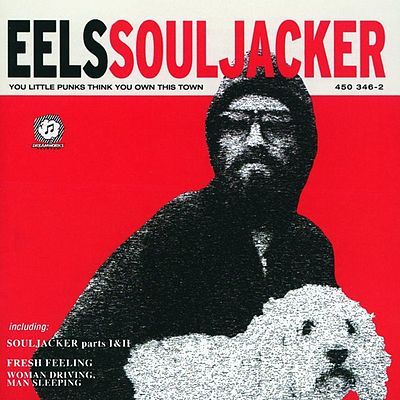
 View Artist