Song Meaning
The lyrics open with a stark, unsettling image: a spider on the bathroom mirror, directly over the narrator's eye. This isn't just a creepy-crawly; it’s a reflection of self-confrontation, a visual cue that the narrator feels trapped and distorted. The immediate question, "how did I get this way?" and the self-assessment as a "living lie" set a tone of deep personal dissatisfaction and a crisis of identity. The recurring refrain, "Rags to rags and rust to rust," completely subverts the familiar "rags to riches" narrative, framing the narrator's life not as upward mobility, but as a downward spiral into decay and ruin.
The central tension lies in the crushing weight of failure and the desperate, almost defiant, clinging to a broken dream. The narrator asks, "How do you stand when you've been crushed?" a question that hangs heavy with the experience of repeated setbacks. While there's a flicker of ambition – the boast that they "can buy and sell the world" – it's immediately undercut by the cynical realization that their "American dream" ultimately "won't mean a fuckin' thing." This paradox highlights a profound disillusionment, where even potential success feels hollow.
The most striking craft element is the inversion of the "rags to riches" trope into "rags to rags," a powerful linguistic twist that immediately communicates a sense of futility. The repetition of "rust to rust" and the desperate plea "Don't let me go" amplify the feeling of being stuck and vulnerable. The imagery of "railroad tracks and the pussy willow" contrasts sharply with the present decay, hinting at a lost innocence or a simpler past that the narrator can only revisit in dreams or fleeting moments of rest.
Ultimately, these lyrics resonate because they capture the raw, unvarnished feeling of being beaten down by life, yet still wrestling with a defiant spark. The writing doesn't offer easy answers or platitudes; instead, it confronts the listener with the visceral experience of failure and the complex, often contradictory, emotions that accompany it. The subversion of a common aspiration into a statement of decay is what makes the narrator's struggle feel so potent and real.
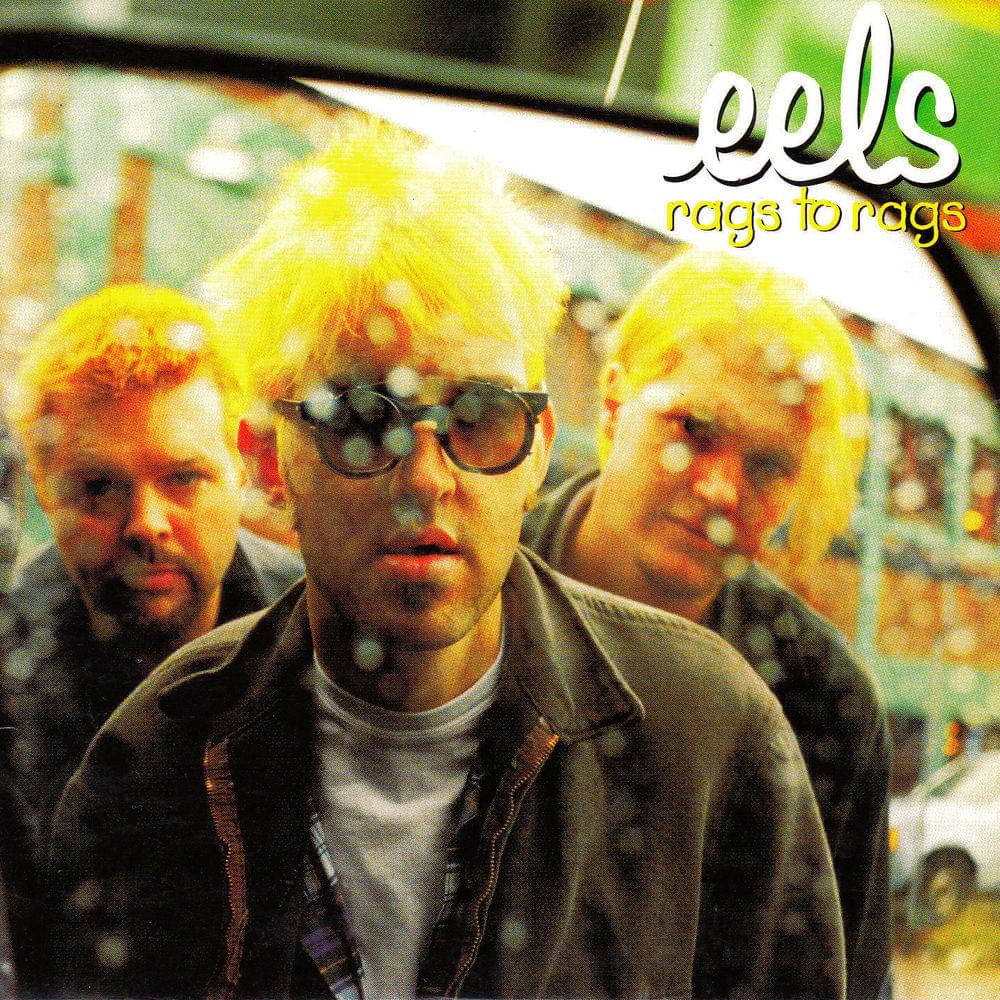
 View Artist