Song Meaning
The lyrics paint a picture of someone desperately seeking comfort and validation, clinging to a relationship that offers little in return. The narrator is consistently available, "here" and willing to "share" anything, yet internally, they are "slowly dying inside." This stark contrast between outward devotion and inner turmoil sets a somber, almost desperate tone from the outset. The repeated plea to be held and to "feel like I am a child in love" suggests a yearning for a pure, uncomplicated emotional state that is currently out of reach.
The central tension lies in the narrator's one-sided emotional investment. While they are always present for the other person, offering support whether it's for cravings or a need for laughter, the other person is consistently "down" and unhappy. The line "And when you forget I'm here, I'm not / It isn't really me that you forgot" hints at a deeper identity crisis, where the narrator feels unseen and unacknowledged beyond their function as a source of support. The other person's unhappiness seems to be the constant, while the narrator's own suffering is internalized.
The most striking aspect is the juxtaposition of the adult desire for love with the childlike regression requested in the chorus. The narrator wants to be "a child in love," a state often associated with innocence, joy, and a lack of complex emotional burdens. This isn't a desire for immaturity, but rather a longing for the unadulterated feeling of being loved without the pain of their current reality. The spoken-word interjections from Jill Sobule, particularly "I'm not having any fun" and later "I'm over this," act as a stark, almost dismissive counterpoint to the narrator's pleas, highlighting the futility of their emotional dependence.
Ultimately, these lyrics resonate because they capture the painful experience of being emotionally invisible in a relationship. The narrator's willingness to be present and share, contrasted with their internal suffering and the other person's persistent unhappiness, creates a profound sense of melancholy. The plea to "feel like I am a child in love" is a powerful expression of wanting to escape a complex, painful adult reality and find solace in a simpler, more cherished emotional state, a desire that feels both deeply personal and universally understood in its vulnerability.
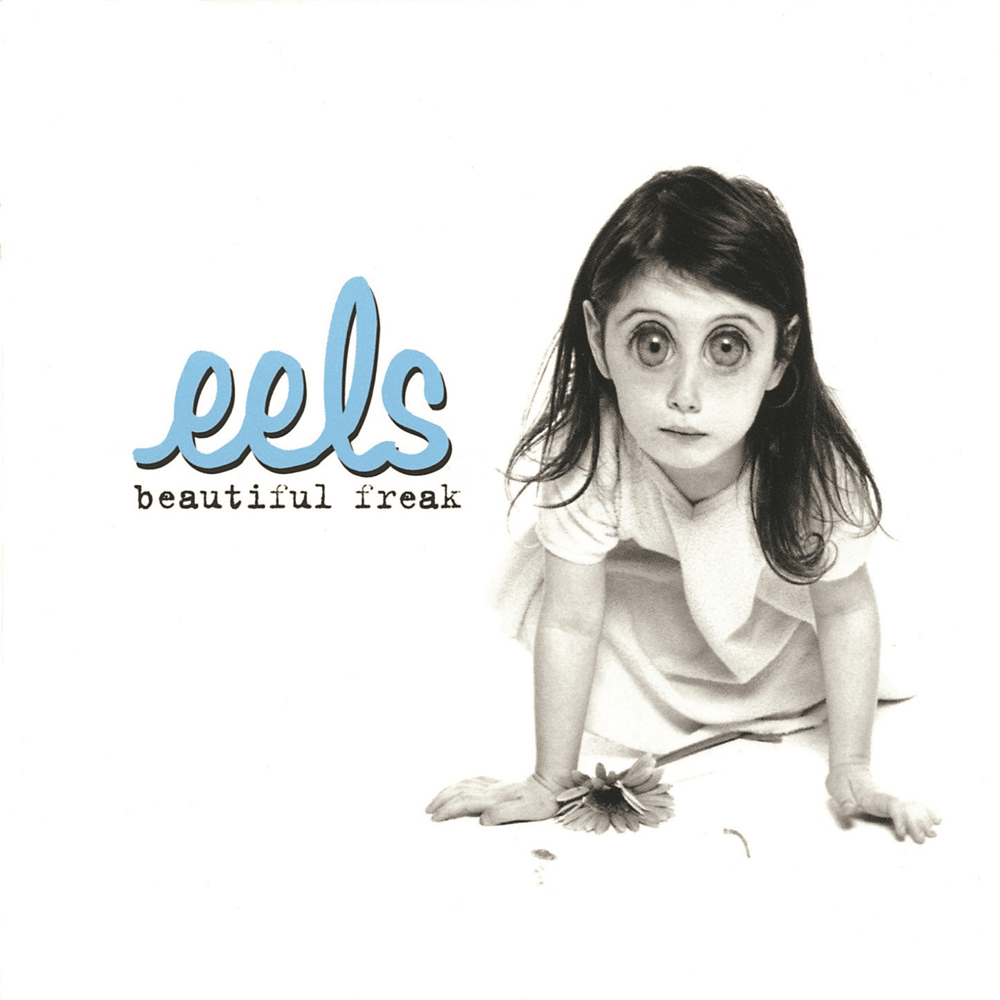
 View Artist