Song Meaning
The lyrics paint a stark contrast between a vibrant, living jungle and the destructive presence of safari hunters. Initially, we get a playful, almost cartoonish image of Tarzan and his companions, emphasizing constant activity and a sense of wildness: "Swing from wais' to wais', trees to trees and making funny sounds." This sets up a scene of natural abundance and perpetual motion, a jungle that never rests.
However, this idyllic picture is brutally interrupted by the arrival of "safari men." The narrator observes them "Dress in khaki shorts and shirts," a detail that grounds the scene in a familiar, almost mundane depiction of hunters. The true horror emerges with their actions: "Killing elephant, large and small, just for dem big, white teeth." This casual cruelty, the slaughter for tusks, introduces a profound tension between the natural world and human exploitation.
The lyrics then highlight a disturbing irony. The hunters take the ivory, but then the narrator states, "Dem a take that ivory, dem a save that ivory." This repetition, coupled with the contradictory actions, suggests a hollow justification or a perverse form of preservation that is actually destruction. The "jungle people, dem never sleep" takes on a more ominous tone, perhaps implying a constant state of vigilance against this threat, or simply that the natural world's life force continues despite the violence.
Ultimately, the effectiveness of these lyrics lies in their direct, unadorned presentation of this conflict. By juxtaposing the lively jungle imagery with the cold, factual description of elephant slaughter for ivory, the song forces the listener to confront the senselessness of the hunters' actions. The repeated scatting acts as a rhythmic counterpoint, perhaps a primal sound of the jungle itself, underscoring the ongoing life that is being threatened.
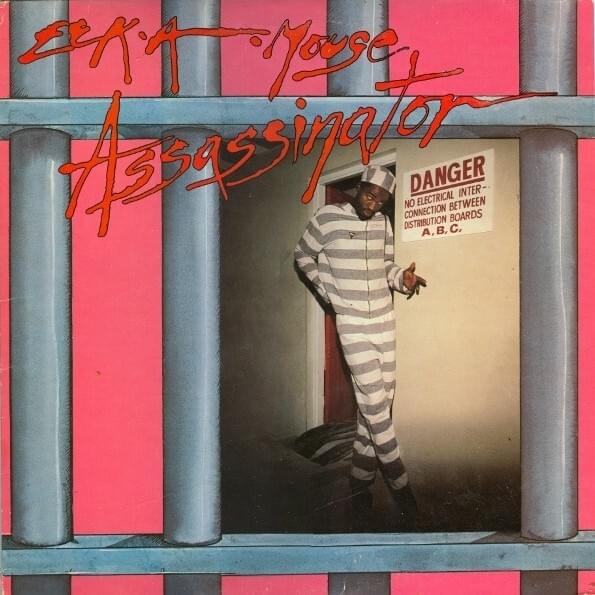
 View Artist