Song Meaning
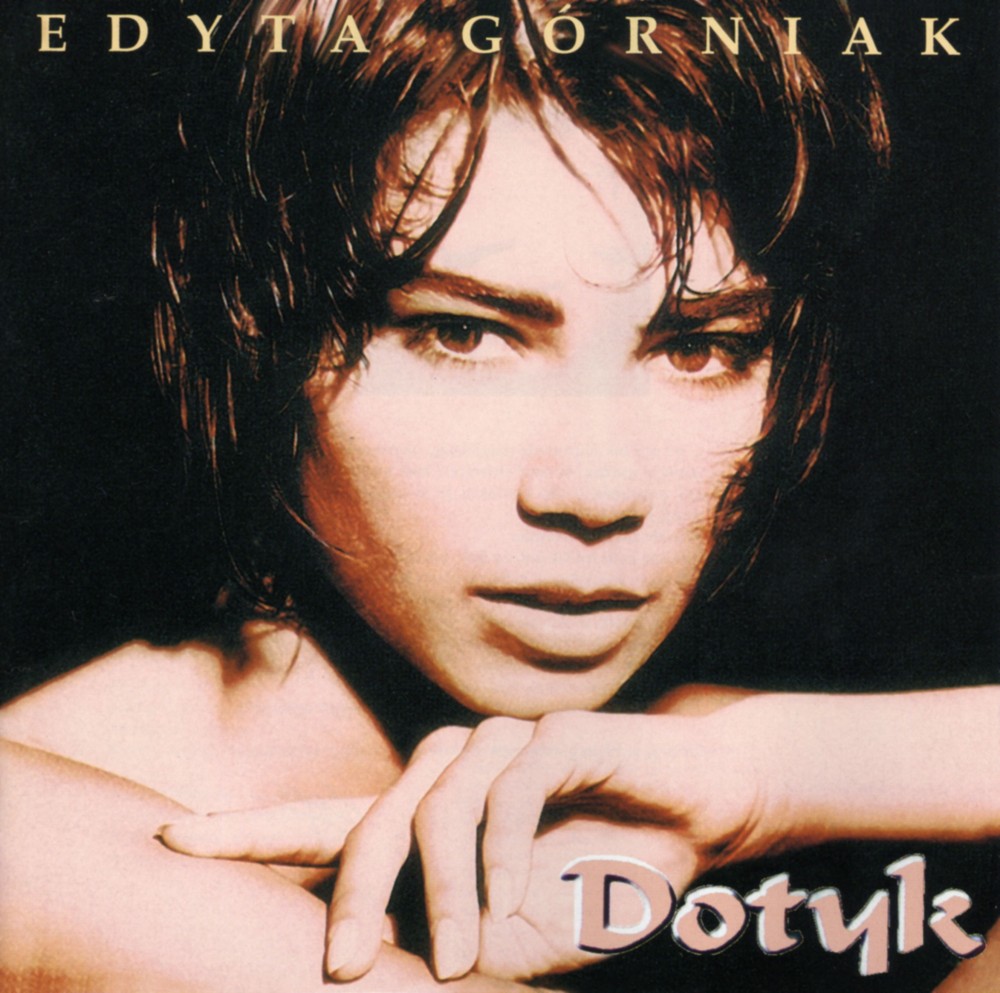
Edyta Gorniak's "Dotyk" (Touch) isn't just a song; it's a raw nerve exposed, a study in the agonizing paradox of intimacy and loss. The opening lines, where she feels her lover intensely across distance and shields herself with his memory, immediately establishes a world where physical presence is secondary to emotional imprint. This isn't a simple love song; it's a lament for a connection so profound it transcends the corporeal, only to be shattered by its inherent fragility. The lyrics suggest a relationship deemed 'too naive' or 'too happy' to last, hinting at an almost preordained doom hanging over their Eden. The core of the song meaning resides in this tension: the desperate clinging to a 'touch' that is both present in memory and devastatingly absent in reality.
Gorniak masterfully uses stark contrasts to amplify the pain. The 'dreszcz wznosi nas do chmur' (shivers lifting us to the clouds) juxtaposes sharply with the image of being 'nadzy jak drzewa / Drzewa, z których liść ostatni spadł' (naked like trees / trees from which the last leaf has fallen). This isn't just about vulnerability; it's about the utter desolation that follows the peak of intimacy. The repeated cries of 'Nie odchodź, nie odchodź!' (Don't leave, don't leave!) echo the universal fear of abandonment, while the lingering 'ślad' (trace) left behind serves as a constant, torturous reminder of what was. The psychological weight here is immense, portraying a state of obsessive longing where the memory of touch becomes both a sanctuary and a source of unending torment.
The recurring phrase 'Zakląłeś mnie w dotyk / Zmieniłeś mnie w dotyk' (You cursed me into touch / You changed me into touch) is the lyrical and emotional linchpin of "Dotyk". It speaks to the idea that the lover has irrevocably altered the singer's perception of reality, transforming her very being into a vessel of sensation. This transformation, however, is not portrayed as empowering but as a curse, condemning her to an 'bezsenną, zimną noc' (sleepless, cold night) of sensory deprivation and yearning. The final lines, questioning whether 'raj ma swe dno' (paradise has its bottom) and 'szczęście ma kres' (happiness has its end), crystallize the song's central theme: the inherent impermanence of joy and the devastating consequences of its loss, leaving behind only the ghost of a touch.
 View Artist