Song Meaning
The narrator stands on a "banjo pier," a place they claim as their world, feeling a sense of immediate control and safety. This initial declaration of "my world is here" and the ability to "reach out and touch my life" establishes a feeling of self-contained existence, almost like an "island onto myself." It’s a moment of perceived stability, a constructed reality where the narrator believes they are secure.
However, this fragile peace is immediately undercut by a dawning awareness of external forces. The lyrics suggest that prolonged stillness invites inevitable change, stating, "if I stand here long enough / I know the waves will hit me." The rising wind and the potential collapse of this self-made island reveal a deep-seated anxiety about the impermanence of their situation. The safety is an illusion, threatened by forces beyond their control.
The most striking element is the stark contrast between the initial assertion of control and the subsequent feeling of being lost and adrift. The narrator admits, "No one else can see me now / And I have lost my way." This internal disorientation is amplified by the relentless repetition of "My boat is so small / And I am far from home." This refrain transforms the initial island metaphor into a literal image of vulnerability, emphasizing isolation and a profound distance from any sense of belonging or security.
What makes these lyrics resonate is the raw depiction of existential dread masked by a facade of self-sufficiency. The simple, declarative sentences of the beginning crumble into the desperate, echoing refrain. The power lies in how the writing moves from a confident claim of ownership over one's reality to the crushing realization of insignificance and displacement, all conveyed through stark imagery and the haunting repetition that hammers home the feeling of being utterly alone and overwhelmed.
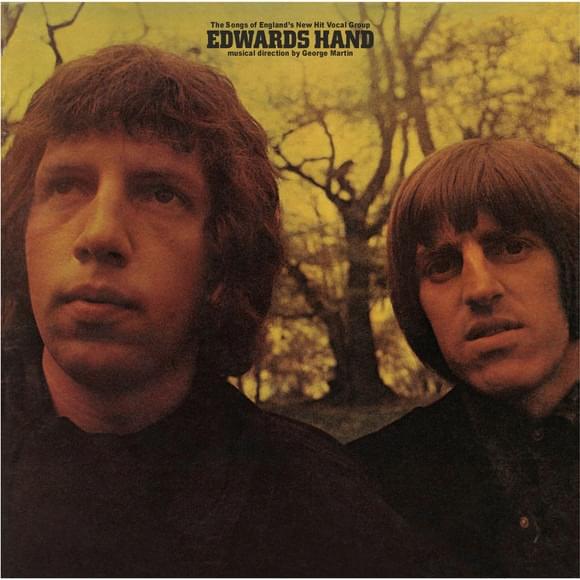
 View Artist