Song Meaning
The narrator is drowning in loneliness and despair, explicitly stating "Estou sozinho" (I am alone) and "Estou chorando" (I am crying). This isn't just a fleeting sadness; it's a profound sense of being lost, feeling "nada" (nothing) and like "um cão sem dono" (a dog without an owner) without the presence of their beloved. The dominant emotional tone is one of desperate longing and helplessness, a stark contrast to the potential joy of love.
The central tension arises from the narrator's overwhelming need for this person, whom they call "meu anjo" (my angel), to return and "salvar" (save) them. They express a willingness to overcome "o muro entre nós" (the wall between us) and "deixar o orgulho para trás" (leave pride behind), indicating a deep desire for reconciliation. Despite the suffering, there's a flicker of hope, a belief that this love, even in its absence, offers a guiding "luz" (light).
The lyrics employ a powerful, almost primal plea through repetition. The repeated invocation of "Vem, meu anjo" (Come, my angel) and the insistent "Venha me salvar" (Come save me) transforms the chorus into a desperate mantra. This isn't a gentle request; it's a cry for rescue, highlighting the narrator's complete dependence on the other person for their emotional survival. The imagery of "luz do luar" (moonlight) adds a touch of romantic desperation, a soft glow in the darkness of their solitude.
This song hits hard because it lays bare a raw, unvarnished vulnerability. The narrator doesn't shy away from expressing their absolute need, equating the absence of their love with a loss of self and purpose – they are the "razão de viver" (reason for living) and "razão de morrer" (reason for dying). The directness of the language, coupled with the escalating pleas, makes the listener feel the weight of this profound emotional dependency and the desperate hope for salvation.
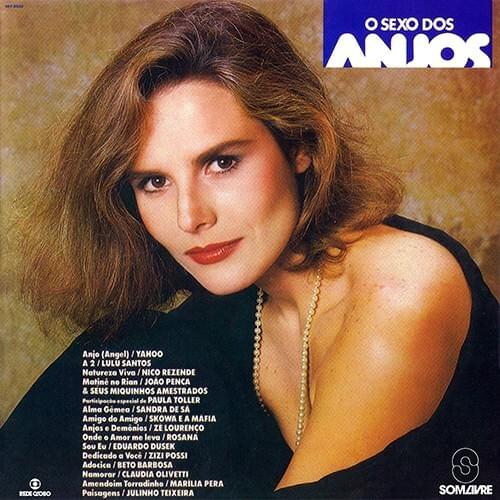
 View Artist