Song Meaning
This track plunges headfirst into the raw, overwhelming aftermath of a breakup. The narrator is consumed by a love that feels both vital and fatal, a 'blood that runs passionate' through his veins. His heart is 'condemned to die for this love,' immediately establishing a tone of inescapable, almost tragic devotion. The pain of absence, the 'dor da saudade,' is presented as an incurable ailment, a suffering so intense that he pleads for divine intervention: 'Heavenly light, have pity, my pain is too much.'
The central conflict is the narrator's complete loss of self-control, dictated by his overwhelming passion and longing. He's trapped in a cycle of 'suffering and crying, crying and suffering night and day,' a relentless agony that makes his 'heart want to explode.' This despair drives him to drink, blurring the lines between his sorrow and his solace: 'I drink and cry, cry and drink all the time.' The act of drinking becomes a desperate, albeit futile, attempt to cope with the void left by her departure, making it 'difficult to stay here.'
The lyrics masterfully capture the lingering sensory details of the lost relationship. The memory of her kiss is still palpable, 'the kiss remained on the mouth,' and her scent lingers, 'the perfume remained in the air.' These persistent sensations amplify his torment, making the present unbearable. He mixes his drinks with 'passion' and finds 'solitude' as his only appetizer, accompanied by 'a tear in his eye.' This imagery vividly illustrates how even his coping mechanisms are steeped in the very feelings he's trying to escape.
Ultimately, the song's power lies in its unflinching portrayal of helplessness. The narrator admits, 'What do I do if I'm not my own master?' He feels utterly dominated by his passion and the resulting longing, leaving him 'lost, at the end.' The plea for a 'way out' without her underscores the depth of his despair, painting a picture of a man utterly adrift, his entire world collapsing without the object of his affection.
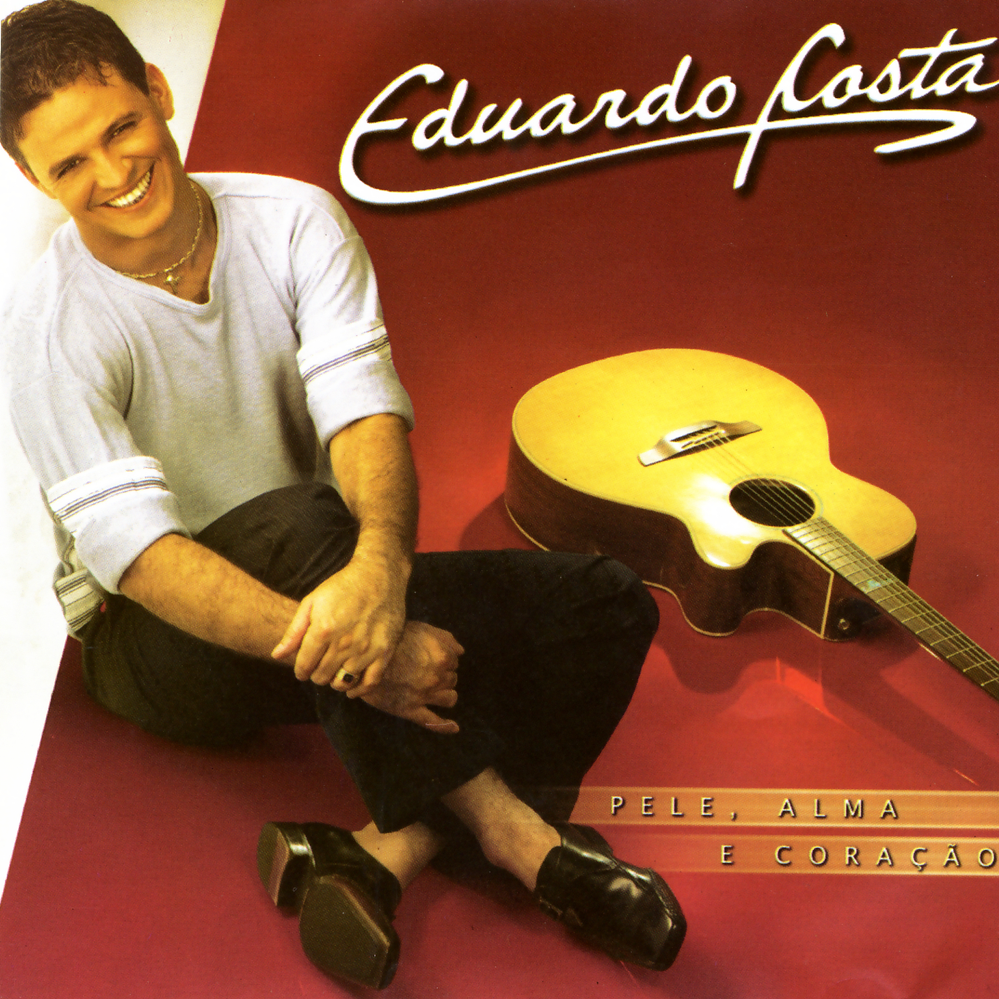
 View Artist