Song Meaning
The lyrics paint a stark picture of sudden heartbreak and the subsequent emotional freefall. The narrator is blindsided, with no explanation for their lover's departure, leaving behind a void filled with broken promises and deep pain. The initial shock quickly gives way to a pervasive sense of loss, where even the most basic aspects of life feel fundamentally broken without the other person.
The core of the song lies in the overwhelming suffering that has consumed the narrator's existence. The phrase "Que sofrimento é esse" (What suffering is this) is not just a question but an expression of disbelief at the intensity of their pain. This suffering has turned their life into a "vida bagunçada" (messed-up life), where joy is merely a pretense, an "alegria é fachada" (joy is a facade). The absence of their loved one renders everything else meaningless and incorrect, leading to a profound sense of being lost.
The writing effectively uses stark contrasts and vivid imagery to convey the depth of this despair. The contrast between past "juras de amor" (vows of love) and the present reality of "tudo em vão" (all in vain) highlights the betrayal. The physical manifestation of pain is described with the powerful image of "saudade já fez calo no meu peito" (longing has already calloused my chest), suggesting a wound that has become a hardened, permanent fixture. The coping mechanism, "Meto a cara na bebida e durmo só" (I bury my face in drink and sleep alone), is a raw depiction of self-destructive isolation.
This lyrical construction works because it grounds abstract emotional pain in concrete, relatable actions and sensations. The narrator isn't just sad; they are physically hurting, their life is literally "messed up," and their attempts to cope are destructive. The repeated, almost desperate questioning in the chorus amplifies the feeling of being trapped in a suffering that feels inexplicable and overwhelming, perfectly capturing the disorienting nature of profound loss.
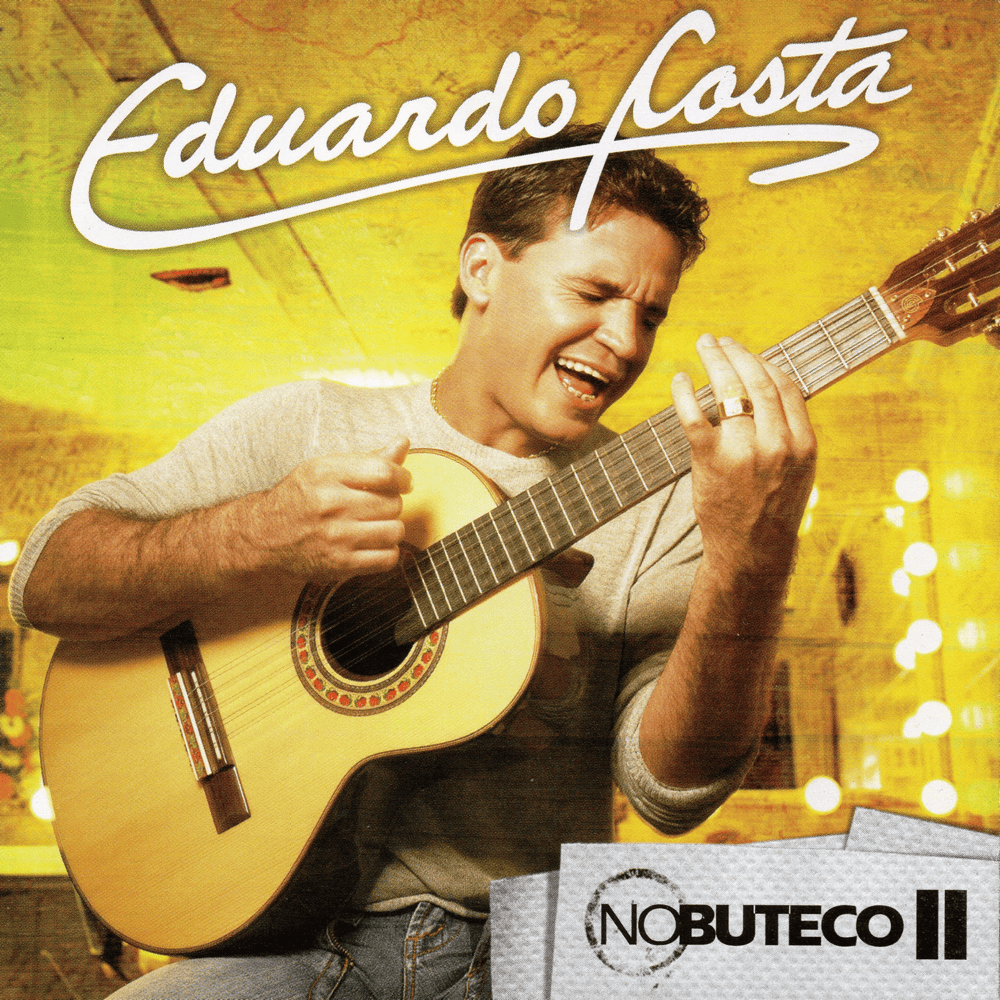
 View Artist