Song Meaning
The narrator paints a picture of overwhelming, almost elemental desire. They want their beloved with the same primal pull a river has for the sea, and need them more than air itself. This isn't just affection; it's a desperate, nightly vigil, a frantic heartbeat that leaves them breathless and weeping. The intensity is so profound it feels like a physical ailment, a suffocating ache.
However, this isn't framed as a romantic plea. The narrator clarifies, "Isso não é uma declaração de amor / Só estou te confessando a minha dor." This distinction is crucial. The overwhelming feelings are presented not as a testament to love's beauty, but as a confession of profound suffering, a "dor de amor" that consumes them.
The core tension arises from this paradox: an intense, undeniable need met with perceived "crueldade." The love given is deemed "tudo vão," a wasted effort, leading to the stark realization that the object of affection was merely an "ilusão." This disillusionment is the central conflict, transforming desperate longing into a painful acceptance of solitude.
What makes these lyrics hit so hard is the raw, almost brutal honesty about the disconnect between intense personal feeling and external reality. The repeated "eu choro, eu choro" emphasizes the depth of this pain, while the final lines, "E apesar de te amar / Sei que posso suportar a solidão," offer a flicker of resilience. It’s this acknowledgment of enduring love alongside the capacity to survive its absence that resonates, highlighting the complex aftermath of a love that was never truly reciprocated.
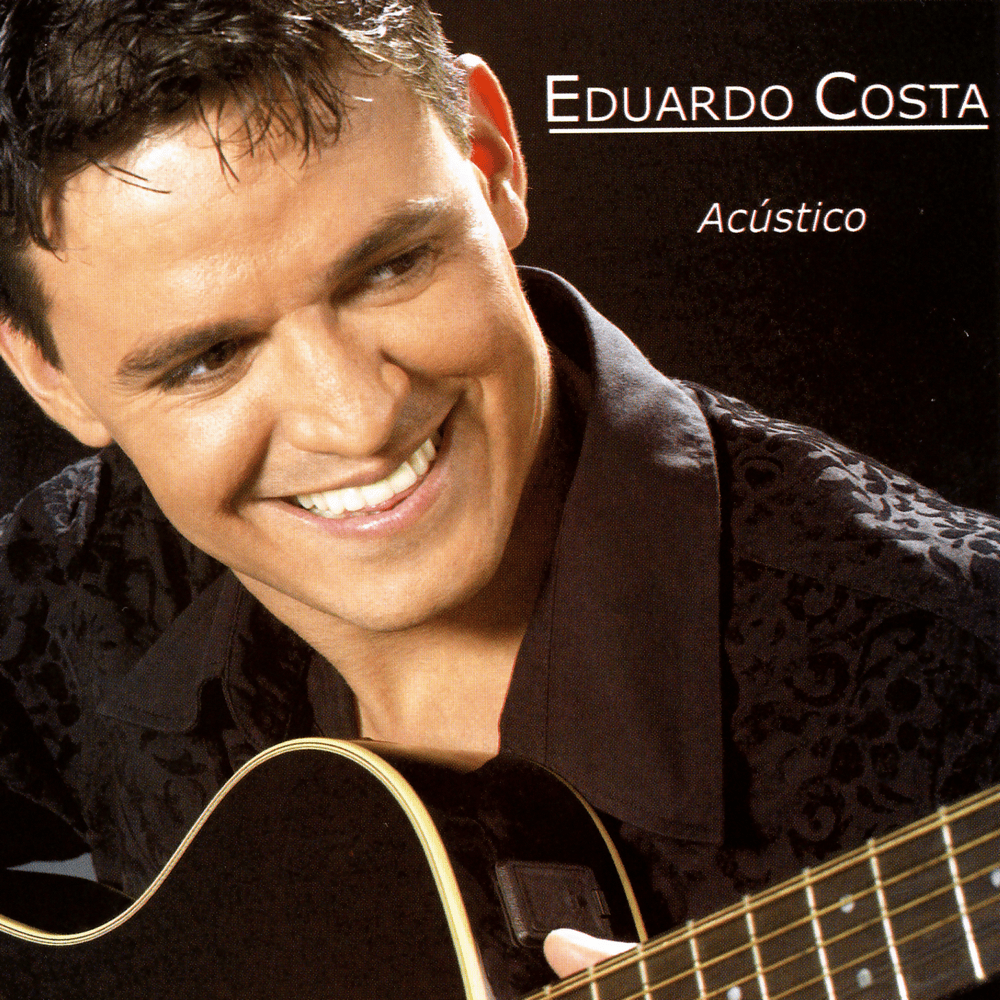
 View Artist