Song Meaning
These lyrics paint a vivid, melancholic picture of a lost past. The speaker remembers a "schönes Vaterland" (beautiful fatherland), a place of natural grace and deep emotional connection. But this cherished memory is immediately undercut by the haunting refrain: "Es war ein Traum" (It was a dream).
The core tension here lies in the speaker's vivid recollection clashing with the declaration that it was all a dream. We're given concrete images – a towering "Eichenbaum" (oak tree) and "Veilchen nickten sanft" (violets nodded softly) – suggesting a tangible, idyllic landscape. Yet, the repeated phrase "Es war ein Traum" casts a shadow, implying this beautiful reality is now gone, perhaps never truly existed, or is simply unattainable.
What truly elevates these lines is the intimate personification of the fatherland itself. It's not just a place; it's something that "küßte mich auf deutsch, und sprach auf deutsch" (kissed me in German, and spoke in German). This intertwining of language with affection, culminating in the tender "ich liebe dich!", suggests an almost familial bond. The parenthetical aside, "Man glaubt es kaum Wie gut es klang," further draws the listener into the speaker's wistful disbelief at such profound beauty.
Ultimately, these lyrics are effective because they tap into a universal human experience of longing for an idealized past. The specific, gentle imagery combined with the deep emotional resonance of language and affection creates a powerful sense of nostalgia. The constant pull between the vivid memory and the "dream" status leaves the listener with a poignant feeling of loss for something precious that can no longer be grasped.
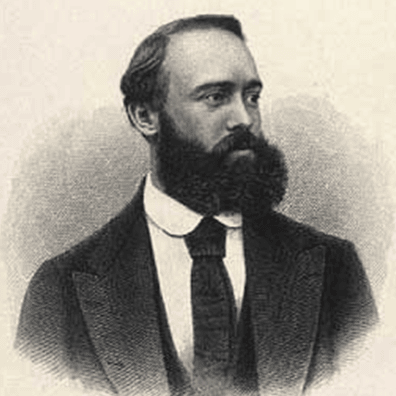
 View Artist