Song Meaning
The lyrics present a direct invocation of a religious text, specifically the Gloria from the Catholic Mass. The opening lines, "Gloria in excelsis Deo / Et in terra / Pax hominibus / Bonae voluntatis," immediately establish a tone of reverence and praise, translating to "Glory to God in the highest / And on earth / Peace to men / Of good will." This sets a solemn and devotional atmosphere, focusing on divine glory and earthly peace.
The core of the piece is a series of acclamations and expressions of gratitude directed towards a celestial power. Phrases like "Laudamus te," "Benedicimus te," and "Adoramus te" (We praise you, We bless you, We adore you) build a crescendo of worship. The repetition of "Gratias agimus tibi / Propter magnam gloriam tuam" (We give thanks to you / For your great glory) emphasizes the overwhelming sense of thankfulness and awe inspired by this divine presence.
The structure is built on a litany, a form of prayer consisting of a series of petitions or praises. The repeated naming of "Domine Deus / Rex caelestis / Deus Pater omnipotens / Domine fili unigenite / Jesu Christe" (Lord God / Heavenly King / God the Father Almighty / Lord the only begotten Son / Jesus Christ) serves to reinforce the identity of the entity being addressed, moving from the general divine ruler to the specific figure of Jesus Christ. This repetition grounds the abstract praise in a concrete theological framework.
Ultimately, the lyrics function as a pure expression of faith and adoration. The concluding lines, "Miserere nobis / Qui tollis peccata mundi" (Have mercy on us / Who take away the sins of the world), shift from praise to supplication, a humble plea for divine intervention and forgiveness. The effectiveness lies in its directness and the inherent power of these ancient, resonant phrases to evoke a profound sense of spiritual devotion and communal worship.
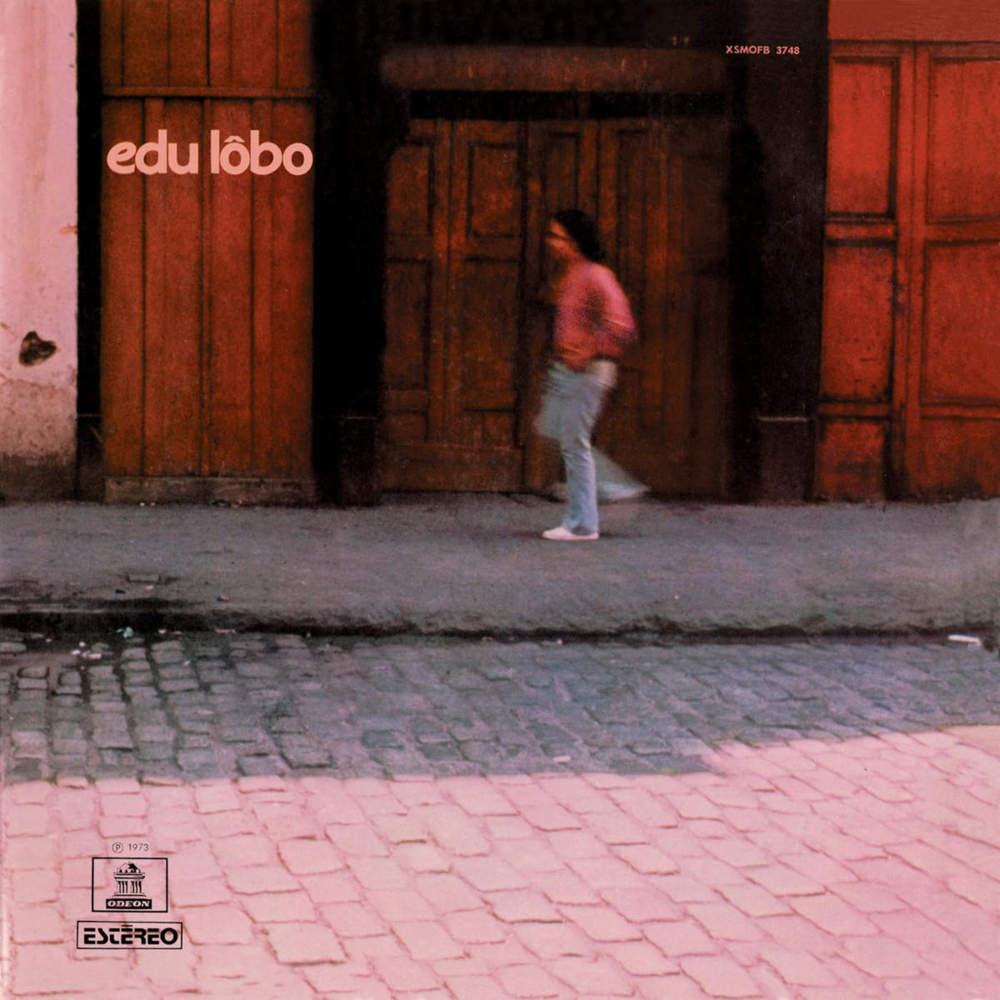
 View Artist