Song Meaning
The lyrics paint a picture of arrival, not from a single point, but from everywhere and nowhere. The repeated phrase "Estamos chegando daqui, dali / E de todo lugar / Que se tem pra partir" establishes a sense of constant movement and a diffuse origin. It suggests a collective journey, a gathering of individuals who have departed from countless places, all converging.
The core tension lies in the contrast between the act of arriving and the idealized notion of what living should be. The narrator muses, "Ah, se viver fosse chegar / Chegar sem parar / Parar pra casar / Casar e os filhos espalhar." This hypothetical "if living were arriving" reveals a yearning for a life defined by continuous arrival, yet immediately pivots to a traditional life cycle of settling down, marrying, and procreating. This creates a poignant disconnect between the restless spirit of arrival and the societal expectation of stability.
The most striking imagery comes with "Trazendo na chegança / Foice velha, mulher nova / E uma quadra de esperança." This juxtaposition is potent: a "foice velha" (old sickle) evokes labor, perhaps hardship or the past, while "mulher nova" (young woman) suggests new beginnings or potential. These are carried within the "chegança," a term that can refer to a type of folk play or a journey. The "quadra de esperança" (quatrain of hope) adds a layer of artistic or spiritual sustenance to this eclectic cargo, hinting that the journey is not just physical but also carries cultural and emotional weight.
Ultimately, the lyrics resonate through this exploration of perpetual motion versus the desire for rootedness. The cyclical nature of the world, described as "um tal de rodar" (a kind of spinning), mirrors the endless arrivals and the unfulfilled wish for a life that is simply about reaching destinations. The writing effectively captures a feeling of being in transit, carrying disparate elements of life and hope, while questioning the very definition of a life lived.
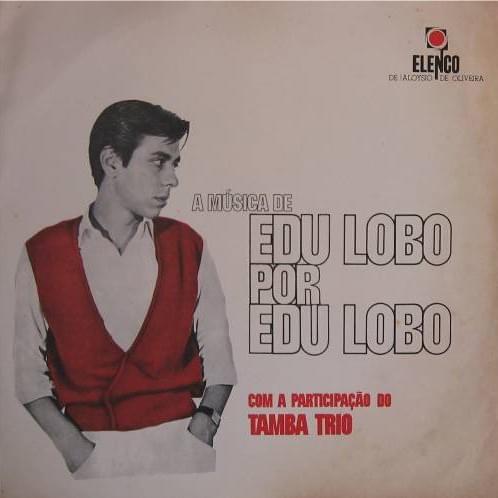
 View Artist