Song Meaning
The narrator is determined to return to Candeias today, leaving behind a place called "terra nova" with no longing. The contrast between the "terra nova" and Candeias is stark: the former offers "pouca história pra contar" (little story to tell), suggesting a lack of fulfillment or connection. This immediate declaration sets a tone of decisive departure and a yearning for a specific, cherished destination.
The core of the narrator's desire centers on a vivid, almost dreamlike vision of Candeias. They want to witness the moon rising "por detrás da samambaia" (behind the fern), see a "rede de palha se abrindo" (straw hammock opening), and experience the moonlight "clareando como um dia" (brightening like day). This imagery paints a picture of serene, natural beauty and a profound sense of peace, directly linked to the narrator's deepest wishes, found "nos teus olhos de espanto" (in your eyes of wonder).
The lyrics employ a powerful sense of place and memory, even as the narrator claims to leave "terra nova" with no nostalgia. The repetition of "Aínda hoje vou-me embora pra Candeias / Ainda hoje meu amor eu vou voltar" emphasizes the immediacy and certainty of this return. The vision of the "mestre proeiro" (master canoeist) and the "procissão de velas brancas" (procession of white candles) adds a layer of cultural or spiritual significance to Candeias, hinting at traditions and a community the narrator longs to rejoin.
Ultimately, the effectiveness of these lyrics lies in their ability to evoke a potent sense of home and belonging through sensory detail and unwavering resolve. The contrast between the unfulfilling present and the idealized, almost sacred vision of Candeias creates a powerful emotional pull, making the narrator's imminent return feel both deeply personal and universally understood as a quest for peace and identity.
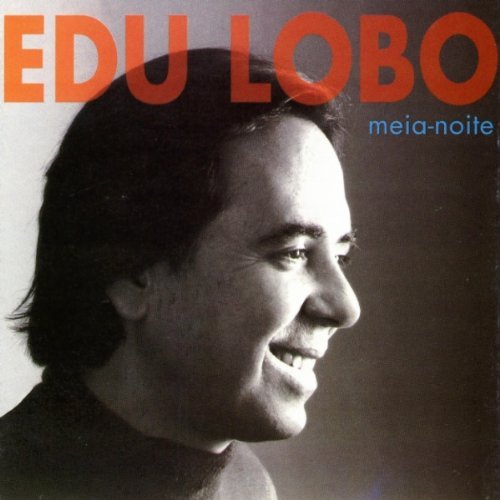
 View Artist