Song Meaning
The lyrics paint a stark picture of cyclical struggle and the internal battle to persevere. The narrator grapples with days where they feel righteous and strong, only to wake up the next morning facing the daunting task of starting over. This feeling of stagnation is amplified by the sense that situations repeat endlessly, like a familiar song played for the same small group of friends, suggesting a lack of progress or change.
The core tension lies in the conflict between this weariness and the imperative to keep fighting. The lyrics acknowledge the difficulty, stating "la lotta è più dura" (the fight is harder), but implore the listener to push forward with renewed determination. This resilience is framed as a matter of stubbornness, a trait that "ti puoi salvare ancora" (can still save you), urging the application of all available strength, even when "nei tuoi fragili nervi" (in your fragile nerves).
A striking element is the contrast between the external call to action and the internal, almost self-defeating, perspective presented in the outro. While the verses encourage "fatti forza e vai incontro al tuo giorno" (take strength and go towards your day), the final lines depict a figure who is "l'assurdo in persona" (absurdity personified), already seeing themselves as "vecchio e cadente" (old and falling). This self-perception leads to fabricating "falso incidente" (false accident) stories, highlighting a deep-seated disconnect between the need to move forward and a tendency towards self-sabotage or escapism.
Ultimately, the effectiveness of these lyrics stems from their raw portrayal of emotional whiplash and the relatable, albeit harsh, advice to simply keep going. The shift from acknowledging the crushing weight of repetition to demanding inner strength creates a powerful dynamic. The outro’s bleak self-image serves as a potent counterpoint, underscoring the internal battle that makes the call to "insisti di più" (insist more) so vital and resonant.
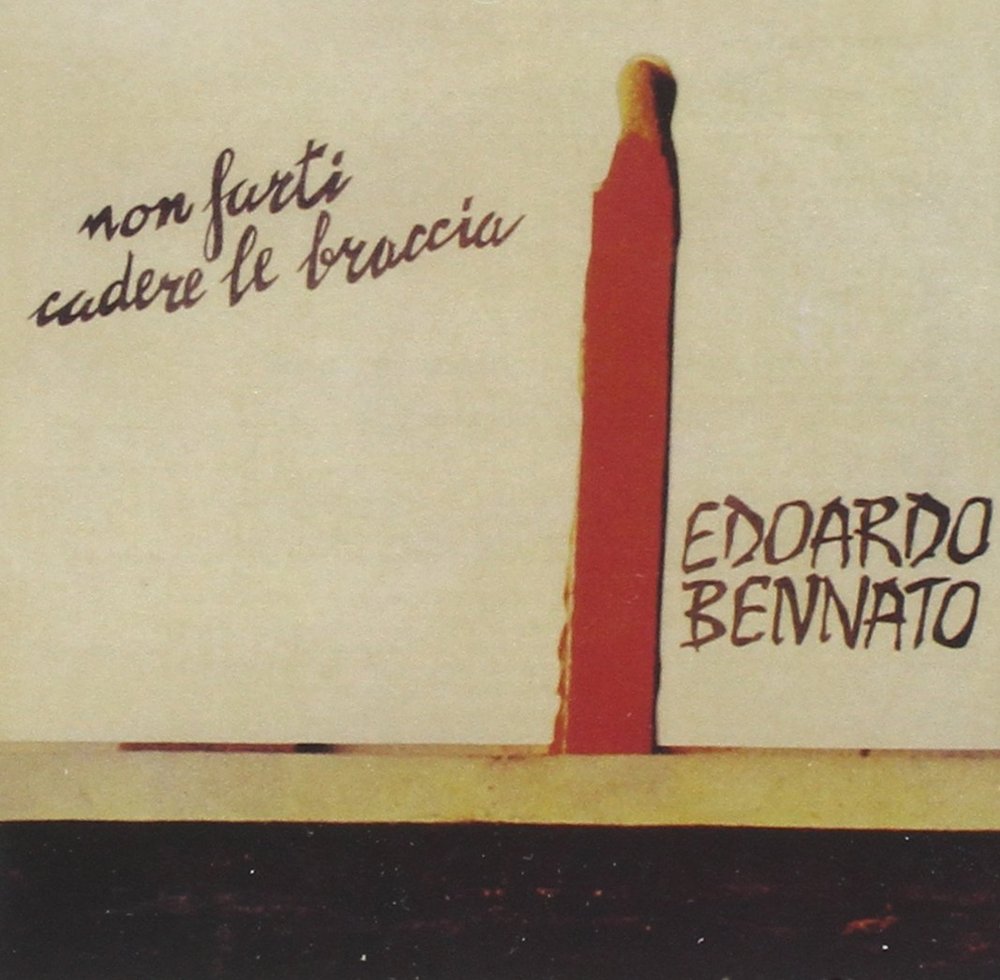
 View Artist