Song Meaning
The lyrics paint a vivid picture of childhood fear, specifically the terror inspired by historical lessons about Emperor Nero. The narrator recalls a time when learning about this figure felt like a "gran terrore" (great terror), a sentiment so strong it prompted the declaration, "Meno male che adesso non c’è Nerone" (Thank goodness Nero isn't around now). This simple, childlike relief sets the stage for a broader reflection on power and control.
The central tension arises from the contrast between Nero's historical image as a tyrannical ruler who "comandava sopra il mondo intero" (commanded the whole world) and the narrator's adult perspective, which acknowledges the fear but also hints at a more complex reality. The lyrics suggest that while Nero "teneva tutti sotto la sua mano" (kept everyone under his hand) and might have even "incendiò la città" (burned the city), his reign also involved a certain knack for governance, "Però in fondo ci sapeva fare" (But in the end, he knew how to do it).
The most striking craft element is the recurring refrain, "Meno male," which transforms from a child's simple wish for safety into a more nuanced, almost ironic observation about the past. The lyrics cleverly juxtapose Nero's immense power and destructive potential with his ability to distract the populace, "li mandava in ferie" (sent them on vacation) to the stadium, implying a calculated manipulation of public opinion. This highlights how even figures of immense historical dread could employ strategies of appeasement and entertainment.
Ultimately, these lyrics resonate because they tap into a universal human experience: the way childhood fears can evolve into more complex understandings of authority and history. The writing effectively uses the specific, almost mundane fear of a school lesson to launch into a surprisingly insightful commentary on leadership, control, and distraction, making the historical figure feel both distant and eerily relevant.
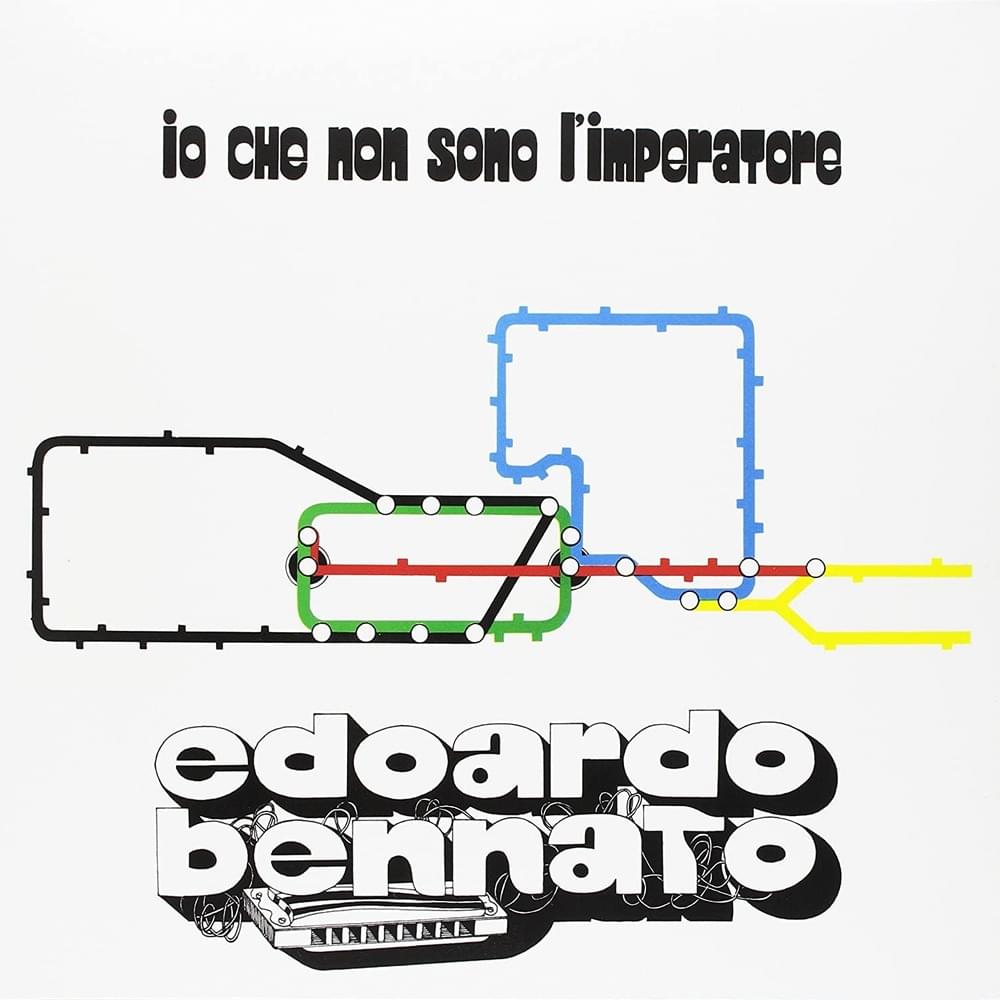
 View Artist