Song Meaning
The lyrics paint a picture of a relationship where one person, the narrator, admits to telling fables, claiming good faith and a plea to be believed. This is met with an explosive, almost manic response from the other person, who unleashes their "follia" (madness) for the narrator's sake. It suggests a dynamic of attempted deception or perhaps fanciful storytelling met with an overwhelming, perhaps destructive, emotional reaction.
The core tension arises from this contrast: the narrator's potentially fabricated tales versus the partner's unrestrained, almost illogical, emotional outpouring. The narrator is drawn into this partner's world, described as a "giardino" (garden) with "colori" (colors) and "purezza quasi illogica" (almost illogical purity) of thought. This leads to a fantastical escape, being pulled "sopra un aquilone" (on a kite) and speeding "senza freni" (without brakes) to the sea.
The central metaphor is the sea itself, presented in two states: "Mare chiaro" (clear sea) by day, which shines from afar and carries a familiar scent and an unending wave, representing a safe, perhaps idealized, state. Conversely, "Mare scuro" (dark sea) at night is explicitly "non è più sicuro" (no longer safe), and even when held close, the dream ends, and the partner is gone. This stark duality captures the fleeting nature of the relationship's perceived happiness and the inevitable return to instability and loss.
This lyrical structure effectively conveys the emotional whiplash. The initial confession and plea are immediately followed by the partner's extreme reaction and the subsequent dreamlike escape. The juxtaposition of the bright, safe daytime sea with the dangerous, dream-ending nighttime sea highlights how quickly perceived security can dissolve. The final question, "perchè?" (why?), repeated with "occhi chiari di bambina" (clear eyes of a child), underscores a profound confusion and the painful realization that every intense experience, especially one framed as a "film d'amore" (love movie), comes with a "prezzo da pagare" (price to pay).
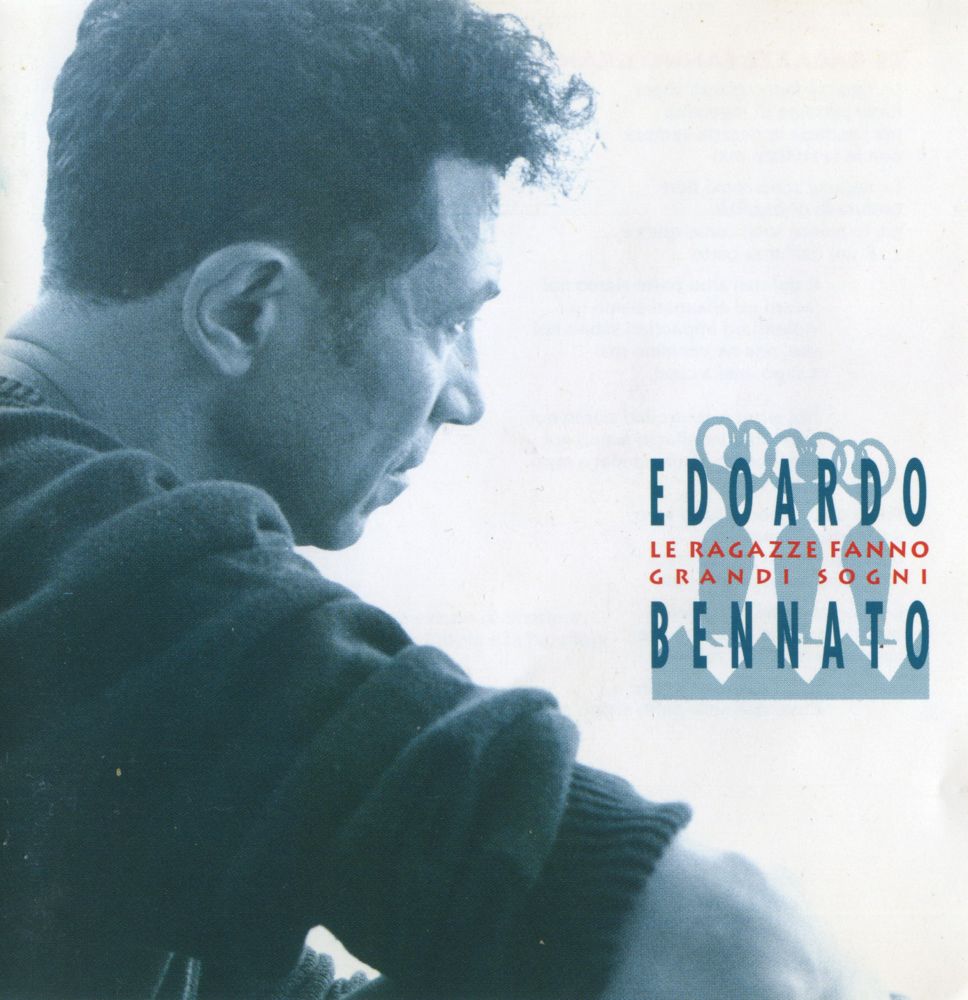
 View Artist