Song Meaning
The lyrics paint a portrait of a woman, recalling her childhood with a mix of wistful admiration and a touch of irony. The opening lines immediately establish a contrast between the perceived innocence of childhood games and the inherent regal quality the subject already possessed. It suggests that even as a child, playing queen, she was already embodying that role, hinting at a natural charisma or destiny.
This theme of innate self-assurance continues as the narrator remembers her running to school, "all dressed in pink, so sure of herself." This image evokes a vivid picture of youthful confidence, a stark contrast to the narrator's current perspective, which questions this certainty. The lyrics then introduce a poignant thought: perhaps this self-assuredness was a form of foresight, a quiet understanding that the "fairy tale" of childhood would soon end, implying a maturity beyond her years.
The most striking shift comes with the comparison of a juke-box to a departing spaceship, a powerful metaphor for the transition from innocent play to something grander and more adventurous. This isn't just about growing up; it's about launching into a new reality, fueled by the "dreams of every city." The subsequent lines, "When it's evening, Love me kiss me, Always, To the rhythm of a show," suggest a life lived under a spotlight, perhaps a performance of the very confidence she displayed as a child, now amplified and demanding attention.
Ultimately, the repeated refrain, "But what naivety!" serves as the emotional anchor, but its meaning evolves. Initially, it seems to refer to the child's innocent belief in her queenly status or her confident stride. By the end, however, it feels more like the narrator's own reflection on the perceived simplicity of that past, a past that now seems almost impossibly naive from the vantage point of a more complex present, especially when contrasted with the demanding rhythm of adult life.
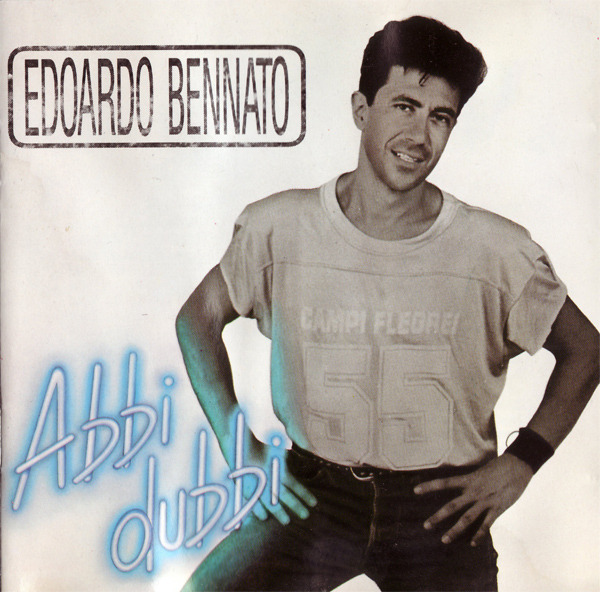
 View Artist