Song Meaning
The narrator dismisses grand pursuits like diamond mines, King Solomon's treasures, and vast riches, explicitly stating, "Non li voglio avere" (I don't want them). This rejection extends to the machinations of power, including newspaper directors taking orders and theologians controlling tribes, which the narrator finds impossible to heed: "Non li so ascoltare" (I can't listen to them). The lyrics establish a clear contrast between the world's perceived values and the narrator's singular focus.
The core tension arises from the narrator's deliberate disengagement from societal ambitions and corrupt systems. Despite being trained in a "campo di frontiera" (frontier camp) and taking oaths, the narrator declares, "di incarichi ufficiali / Non nè voglio sapere" (I don't want to know about official assignments). This defiance is underscored by the repeated, almost defiant, declaration, "Io cerco il mio amore" (I am looking for my love), presented as the sole, unwavering objective amidst chaos and threats.
The most striking craft element is the juxtaposition of vast, often morally ambiguous, worldly pursuits with the simple, personal quest for love. The imagery shifts from the epic scale of "tesori di re Salomone" and "oro bianco ed oro nero" to the intimate scope of "le vie del mio quartiere" (the streets of my neighborhood). This contrast highlights how the narrator perceives the world's priorities as hollow and distracting from what truly matters.
This lyrical approach is effective because it grounds an abstract emotional pursuit in concrete, albeit rejected, worldly elements. The narrator’s refusal to engage with power, wealth, or even religious authority, framed by the persistent search for love, creates a powerful statement of personal conviction. The repeated phrase "Cerco il mio amore" acts as an anchor, a mantra that cuts through the noise of external pressures and expectations, emphasizing an internal compass guiding the narrator's path.
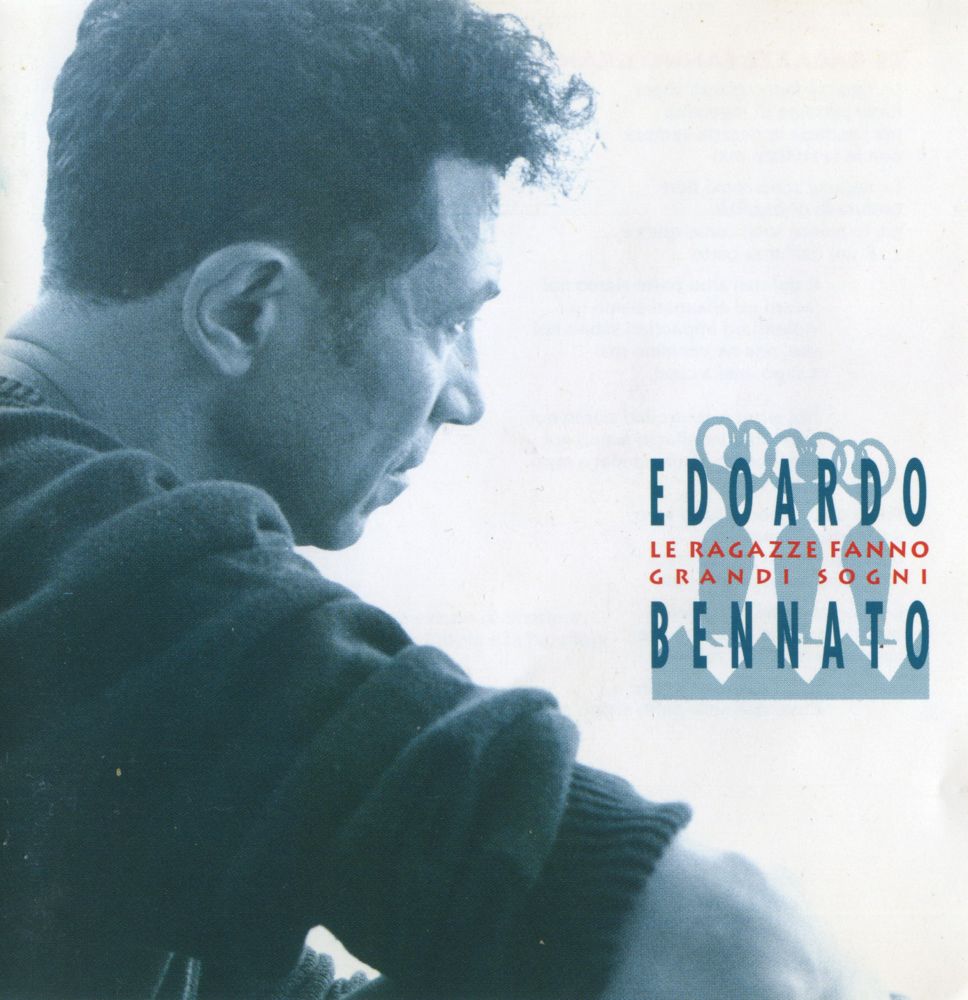
 View Artist