Song Meaning
This track paints a picture of someone who has finally found "the one," the perfect partner who doesn't overdo anything. The narrator emphasizes a sense of relief and completion, having searched extensively and found no flaws, no "faults" in this person. The repeated phrase "T'es l'homme qu'il me faut" (You're the man I need) acts as a powerful affirmation, anchoring the entire sentiment of the song in this singular, definitive realization. It's a declaration of having found exactly what was missing.
The core tension lies in the narrator's past struggles versus present contentment. The lyrics suggest a history of searching and finding inadequacy, making the discovery of this seemingly perfect individual all the more significant. There's a palpable sense of gratitude that this person exists, someone who balances a fun-loving nature with a seriousness that the narrator finds "marvelous." This contrast highlights the specific qualities that make this partner so ideal, especially in how he navigates social situations, remaining oblivious to other women's attention, which is framed as a fortunate trait for the narrator.
A particularly striking element is the shift from external validation to internal, deeply personal connection. Initially, the focus is on the partner's outward qualities and how he's perceived by others. However, it quickly pivots to the intimate act of communication: "Parle, parle-moi / Parle-moi de nous / Parle-moi de tout" (Talk, talk to me / Talk to me about us / Talk to me about everything). This desire for dialogue signifies a move beyond superficial attraction to a need for shared experience and emotional intimacy, where the narrator feels "so good."
The lyrics achieve their impact through a consistent, almost incantatory repetition of key phrases and a cascade of positive affirmations. The partner is not just "the man I need," but also "the beautiful days," "our love," "my light," and "my life." This accumulation of defining roles elevates him from a mere romantic interest to the very foundation of the narrator's existence. The final, slightly unexpected turn – "Tu es mon problème / Je ne comprends pas / Car, malgré tout ça / Moi aussi / Je t'aime..." (You are my problem / I don't understand / Because, despite all this / Me too / I love you...) – adds a layer of charming bewilderment, suggesting that even this perfect love is a mystery the narrator is happily embracing.
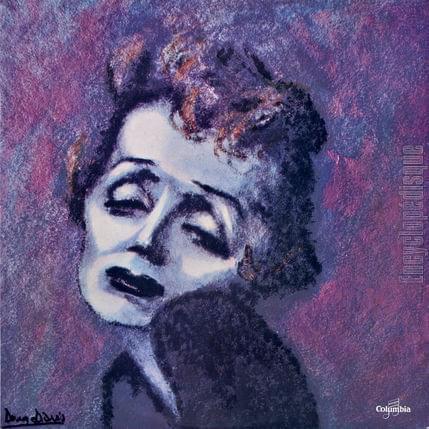
 View Artist