Song Meaning
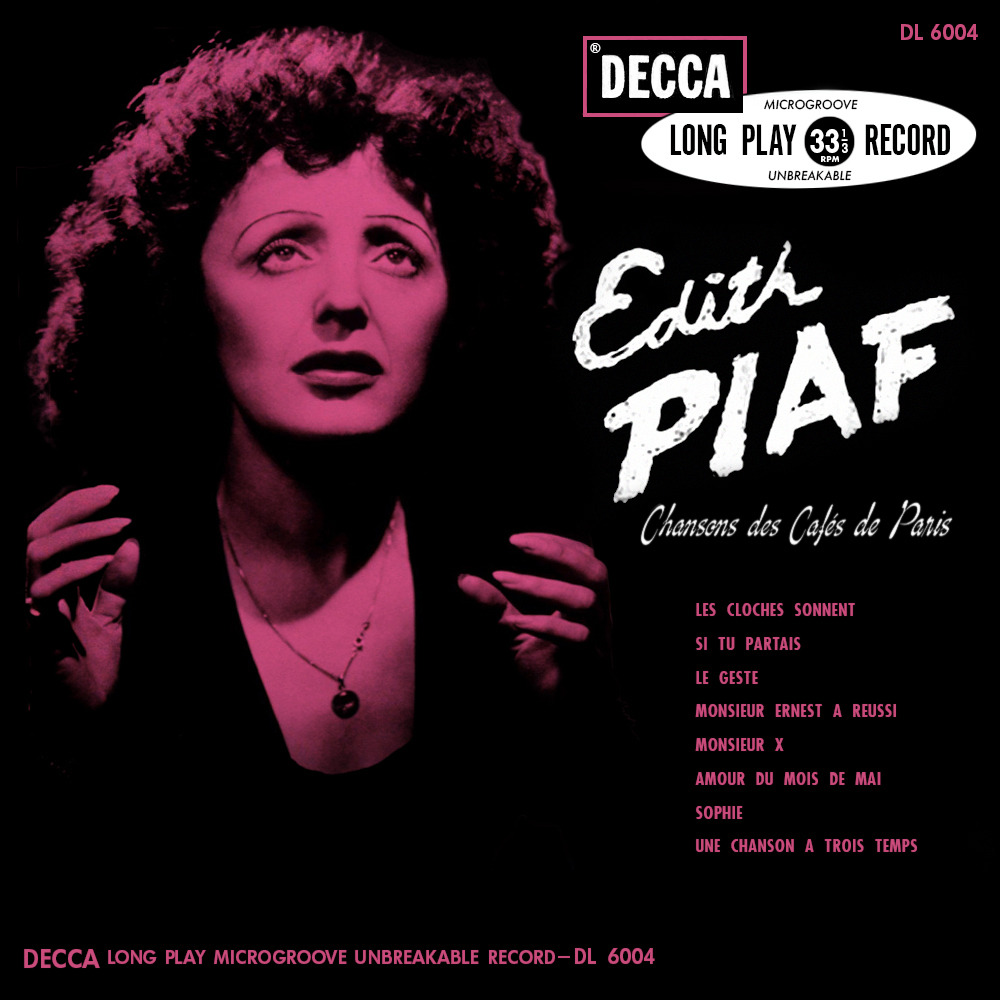
This song paints a picture of a love so profound it feels divinely ordained, described as "more pure, more clear / Than the clear water of rivers." The narrator’s adoration is so intense that their heart feels choked when the beloved is near, a paradoxical reaction that underscores the overwhelming nature of their affection. This initial verse establishes a tone of almost sacred bliss, yet it’s immediately undercut by a desperate plea: "Don't touch all this!" This suggests a fragility beneath the surface of their perfect happiness.
The core tension lies in the narrator's paralyzing fear of abandonment, articulated in the recurring refrain. The potential departure of the beloved isn't just a personal loss; it's framed as an apocalyptic event that would extinguish all natural beauty and joy. The lyrics declare that "birds, in their nests / Would no longer sing / Their lost songs," and "flowers would lose their scent." This hyperbolic language elevates the beloved’s presence to the very source of life and beauty in the narrator's world, making their potential absence a literal end to everything.
The most striking craft element is the use of extreme natural imagery to quantify the depth of this fear. The comparison of the beloved's eyes to "a moonbeam in water" is delicate, but the contrast when they leave, even for moments, is stark: "It's like snow in spring." This isn't just a metaphor for fleetingness; it implies a disruption of natural order, a sudden, unwelcome thaw that signifies loss. The narrator’s plea, "I would die if you left," is not mere hyperbole but the logical conclusion of a worldview where the beloved is the sole sustainer of existence.
Ultimately, the lyrics resonate because they articulate a universal fear of losing what makes life meaningful, albeit through intensely personal and dramatic language. The narrator’s desperate clinging, their insistence that "it's true" and "believe me," reveals a vulnerability that is both heartbreaking and compelling. The song’s power comes from this raw, almost childlike insistence on the beloved’s essential role, transforming a simple love song into a desperate prayer against oblivion.
 View Artist