Song Meaning
This track lays bare the raw, unvarnished truth of a relationship at its breaking point. The narrator isn't interested in games or excuses; she demands honesty, cutting through the pretense with a sharp, almost weary clarity. The opening lines immediately set a tone of ultimatum: "Tómame o déjame" – take me or leave me. There's no room for further deception, especially when the scent of "leña de otro hogar" (firewood from another home) tells its own story.
The central tension lies in the narrator's forced awareness and the partner's evasiveness. She knows he's lying, hearing him arrive late and feeling the "culpabilidad" (guilt) in his kiss. Yet, she feigns sleep, preferring her dreams to the painful reality. This isn't about passive suffering; it's a strategic withdrawal, a way to maintain a shred of dignity while the relationship crumbles around her. The partner, meanwhile, seems to shrink under her silent gaze, avoiding her eyes as he grows "cada día más pequeño" (smaller each day).
The most striking element is the narrator's demand for a confrontation, however painful. She doesn't want to be left wondering or to be the one who cries in silence. Instead, she asks him to bring "mi rival" (my rival) if he's going to leave, suggesting a desire for closure, even if it means facing her replacement. This isn't about masochism, but a desperate need for truth, for a definitive end that allows her to finally "llorar" (cry) and move on, rather than languishing in uncertainty.
Ultimately, the lyrics resonate because they articulate a universal desire for authentic connection and the courage to walk away from deceit. The narrator's refusal to accept half-truths or performative affection is a powerful statement. By demanding that her partner either commit fully or depart decisively, she reclaims her agency, transforming a moment of potential heartbreak into an act of self-preservation.
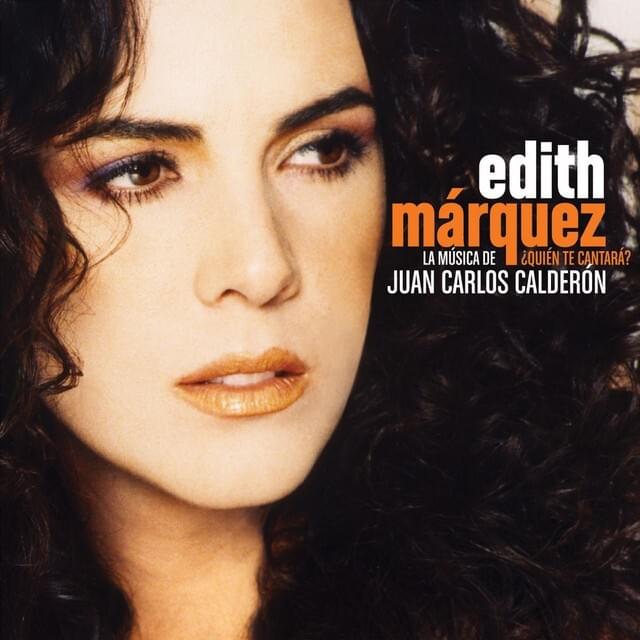
 View Artist