Song Meaning
The narrator grapples with an overwhelming sense of debt and confusion regarding a relationship that has clearly caused immense pain. The opening lines, "Yo no se que estoy pagando / Para merecer te a ti," immediately establish a tone of bewilderment and self-recrimination, questioning what actions or qualities could possibly warrant such suffering. This feeling is amplified by the realization that happiness comes at a steep, unforeseen "precio." The narrator feels trapped, unsure of the debts owed or how they became entangled with someone who seems to be the "worst" choice among many.
The core tension lies in the narrator's struggle between feeling victimized and asserting agency. Despite the confusion and the perceived injustice of the situation, there's a defiant shift. The narrator rejects passive acceptance of "destino," declaring a commitment to finding their "camino," even if it comes at a high "costo." This pivot is crucial, moving from a place of bewilderment to one of determined self-preservation and forward momentum, suggesting a refusal to be defined by the relationship's negative impact.
The most striking element is the narrator's understanding of the other person's ultimate "castigo." Instead of seeking direct revenge, the narrator identifies the other's punishment as being left "solo," contrasted with the narrator's own "olvido." This is a powerful psychological blow, suggesting that the true consequence for the betrayer is the loss of the narrator's memory and affection, a fate the narrator seems to deem more severe than any direct retaliation. The lyrics also highlight a painful disconnect, with the narrator questioning if the other person even comprehends the depth of their "cariño" or the meaning of being loved by them, especially given the public nature of the "engaño."
Ultimately, the effectiveness of these lyrics stems from their raw emotional honesty and the dramatic arc of self-empowerment. The initial vulnerability and confusion are palpable, making the subsequent declaration of independence and the nuanced understanding of retribution deeply resonant. The narrator's journey from bewilderment to resolve, culminating in the potent idea that being forgotten is the true punishment, offers a cathartic and insightful perspective on navigating betrayal and reclaiming one's own path.
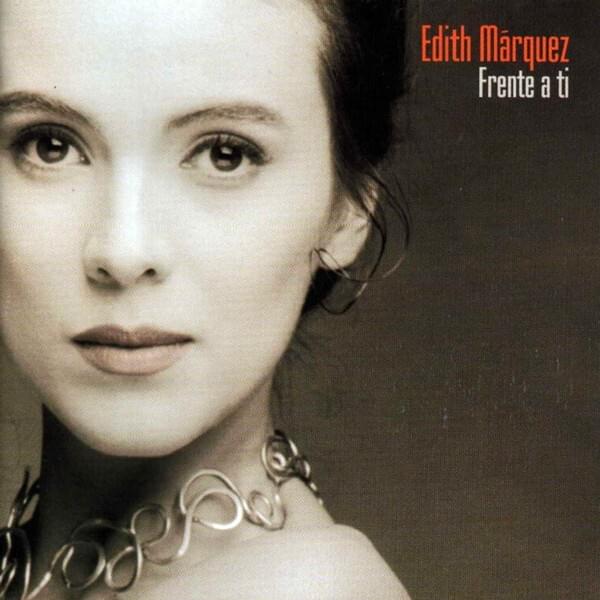
 View Artist