Song Meaning
The lyrics paint a stark picture of hardship and a complex relationship with a figure referred to as "Usta," likely a master or employer. The opening lines, with their repeated imagery of "straw yellow" and a "red bee sting," suggest a vibrant but potentially painful or irritating presence associated with this Usta. This is immediately followed by a harsh warning: "If you have no money, don't do this business." The repeated curse, "May your eyes be blind, may you die, Usta," reveals a deep resentment simmering beneath the surface.
The second section shifts to vivid, almost desperate acts of resourcefulness. The narrator describes curling their hair with a barbecue tong and boiling bulgur with pistachio shells, highlighting a life lived on the absolute edge of survival. These images of making do with scraps underscore the dire circumstances. The narrator then recalls performing at the Usta's wedding, a detail that adds another layer of complexity, suggesting a past obligation or service rendered, which is then juxtaposed with the same bitter curse.
The core tension lies in the narrator's simultaneous reliance on and animosity towards the Usta. The acts of survival are presented as a direct consequence of the Usta's business dealings, or lack thereof. The narrator seems to be trapped in a cycle of poverty and obligation, forced to perform menial or demeaning tasks, like entertaining at a wedding, while harboring intense anger. The repeated curse acts as a desperate, almost ritualistic expression of this pent-up frustration.
What makes these lyrics so potent is the raw, unflinching portrayal of struggle and the visceral expression of resentment. The contrast between the narrator's resourceful, almost absurd, attempts at self-care and the harsh reality of their economic situation is striking. The repeated curse, delivered with such venom, feels like a breaking point, a raw cry against a system or a person that has caused immense suffering and deprivation.
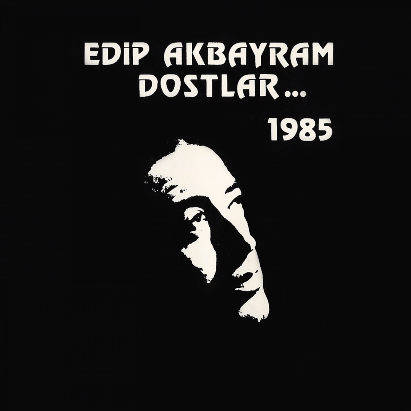
 View Artist