Song Meaning
The song opens with a scene bathed in moonlight, where the narrator feels a profound solitude. The phrase "Ayın şavkı vurur sazım üstüne" paints a picture of quiet contemplation, with the instrument itself becoming a focal point under the moon's glow. The repeated "leylim ley" acts as a melancholic refrain, underscoring a sense of longing and perhaps resignation. It suggests a moment of introspection, where the narrator seeks solace in their music but finds no one to share their words with, yearning for connection with a "hilal kaşlım" – someone with crescent moon-shaped eyebrows – to embrace them.
The core tension arises from a deep-seated homesickness and emotional isolation, spanning "yedi yıldır" (seven years) away from home. The narrator hasn't sought companionship for their troubles, implying a self-imposed or circumstantial loneliness. The plea, "Kula değil yüreğine sor beni" (Ask me not of my ears, but of my heart), reveals a desire for genuine understanding beyond superficial judgment. This section highlights a yearning for someone to connect with their inner feelings rather than external circumstances.
A striking image of vulnerability emerges in the third verse, where the narrator likens themselves to a "kuru yaprağa" (dry leaf) fallen from a branch. This metaphor powerfully conveys a sense of being detached, withered, and at the mercy of the elements. The plea for the "seher yeli" (morning breeze) to scatter and break them, and ultimately carry their dust to the "Yarin çıplak ayağına sür beni" (rub me against your beloved's bare feet), is a profound expression of wanting to be reunited with their love, even in the most humble and dispersed form. It's a desperate wish to be close, to be felt, to be present in their beloved's world, no matter how fragmented.
This lyrical tapestry is effective because it grounds abstract feelings of longing and displacement in vivid, sensory imagery. The contrast between the celestial light of the moon and the earthly dust of the narrator's being creates a poignant emotional landscape. The repeated "leylim ley" acts as a grounding, almost hypnotic element, drawing the listener into the narrator's melancholic state. The ultimate desire isn't just for return, but for a complete dissolution and re-formation at the feet of their beloved, a testament to the depth of their yearning.
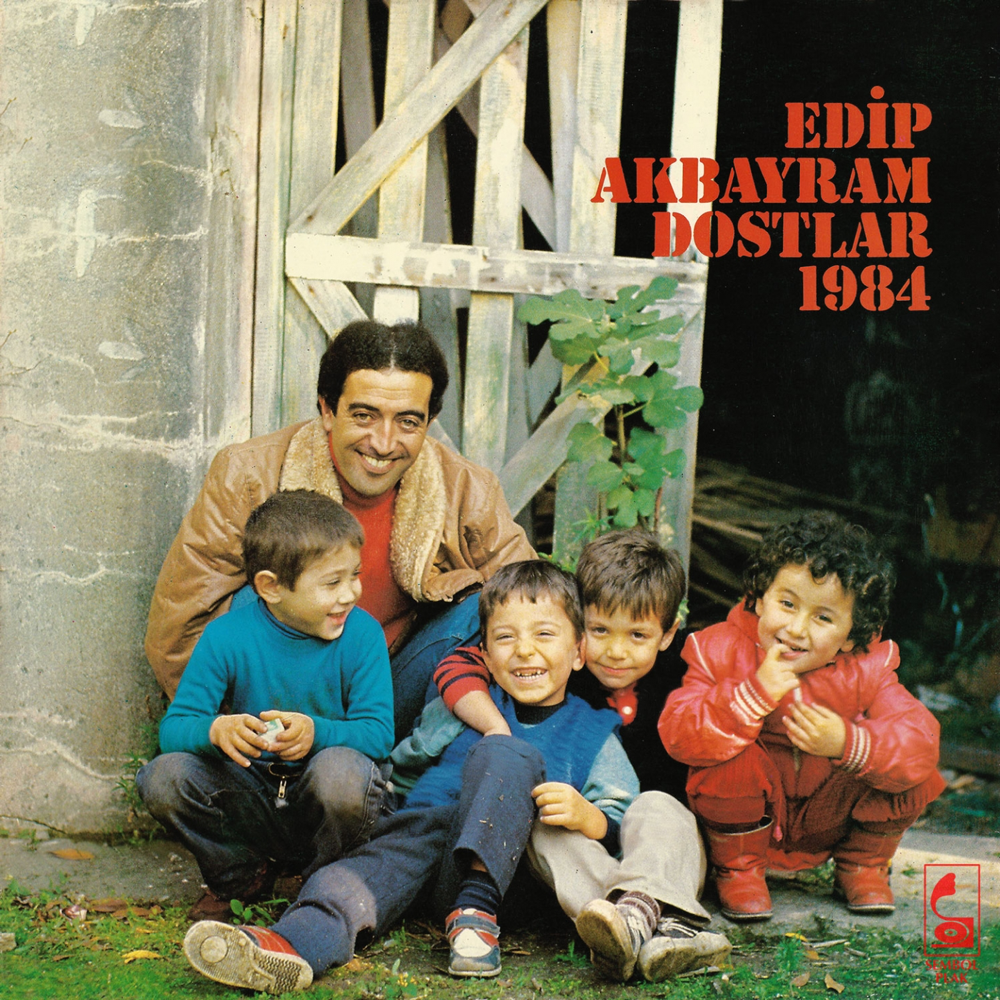
 View Artist