Song Meaning
The lyrics paint a stark picture of displacement and profound loss. The opening lines immediately establish a sense of disorientation, placing the speaker "among my loved ones, a stranger I don't know / Among those I haven't seen, haven't missed, but miss." This paradox highlights a deep emotional disconnect, where familiar faces feel foreign and absence is a constant ache. The repetition of "Yurdum olmadan sıladayım / Kimsem ölmeden yasta" (I am in exile without my homeland / In mourning without anyone having died) powerfully conveys a state of being perpetually unsettled and grieving, even in the absence of immediate tragedy. It suggests a life lived in a liminal space, a constant state of 'almost' loss.
The central tension revolves around a lost sense of self and purpose, directly tied to the speaker's forced migration. The questions "Yollarda gözlediğim ne? / Mektuplarda beklediğim ne?" (What am I watching for on the roads? / What am I waiting for in letters?) reveal a deep uncertainty about the future and a yearning for something undefined. This feeling is amplified by the stark declaration, "Buralara konmuş göçmen olmuşum" (I have landed here and become an immigrant). The phrase "konmuş" (landed/settled) feels passive, as if the speaker was placed here rather than choosing to be, underscoring a lack of agency in their current existence.
The most striking aspect of the lyrics is the narrator's internal disconnect, articulated through the repeated refrain: "Bir bildiğim olmalı, bilmez olmuşum / Bir derdim olmalı, gülmez olmuşum" (I must have had something I knew, I've become ignorant / I must have had a concern, I've become unable to smile). This isn't just about sadness; it's about a fundamental loss of knowledge and joy, a feeling that the core of their being has been eroded by their circumstances. The inability to smile becomes a physical manifestation of this internal void. The lyrics suggest that being a "göçmen" (immigrant) has stripped away not just a homeland, but also the very capacity for knowing and for happiness, leaving behind a hollowed-out existence.
This emotional weight is carried by the stark, almost bleak repetition. The cyclical nature of the chorus and pre-chorus mirrors the feeling of being trapped in a loop of displacement and sorrow. The simple, declarative statements about being an immigrant and losing the ability to smile or know are devastating precisely because they are so direct. They bypass elaborate metaphor to hit with the force of raw, lived experience, making the listener feel the profound emptiness of a life adrift.
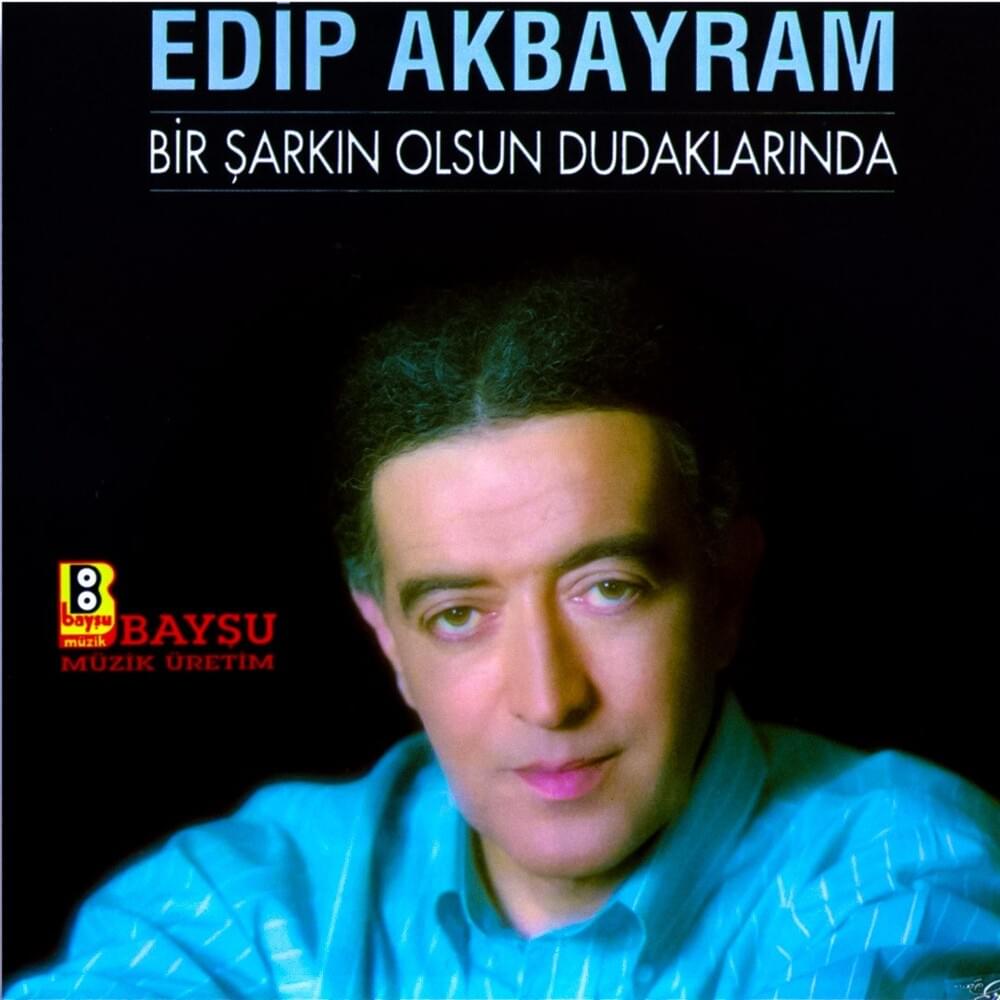
 View Artist