Song Meaning
The lyrics paint a stark picture of a craftsman, an apprentice ('çırak'), grappling with profound hardship and loss. The opening lines establish a direct address to a master ('usta'), immediately grounding the narrative in a master-apprentice dynamic. The narrator's hands are destined for art, but their heart is burdened by pain, a poignant contrast that sets a somber tone. This isn't just a complaint; it's a lament about a perceived unfair distribution of suffering, as the narrator repeatedly questions if death ('ölüm') and longing ('hasret') are exclusively their fate.
The central tension lies in the narrator's feeling of being singled out for misfortune. The repetition of "hep bana, bana mı" (always to me, is it to me?) underscores a deep-seated sense of injustice and isolation. This feeling is amplified by the questions about 'gurbet' (exile/foreign land) and 'sıla' (homeland/return), suggesting a displacement or a yearning for a lost home that adds another layer to their suffering. The master is the only witness to this internal struggle, yet the questions are rhetorical, highlighting the narrator's solitary burden.
The most striking aspect of the craft is the direct, almost desperate repetition. The phrases "Elim sanata düşer usta" and "Yürek acıya" are mirrored, creating a rhythmic insistence that emphasizes the inescapable nature of their pain. This isn't just about physical labor; it's about the soul's suffering. The questions about death and exile are not abstract; they are presented as personal destinies, making the lament feel intensely immediate and raw.
This lyrical construction is effective because it bypasses complex metaphors for raw, direct emotional expression. The master serves as a focal point, but the real focus is the narrator's internal monologue of despair. The simple, repetitive structure mirrors the cyclical nature of their suffering, making the listener feel the weight of the narrator's perceived fate. It’s a powerful portrayal of feeling overwhelmed by life’s harshest realities.
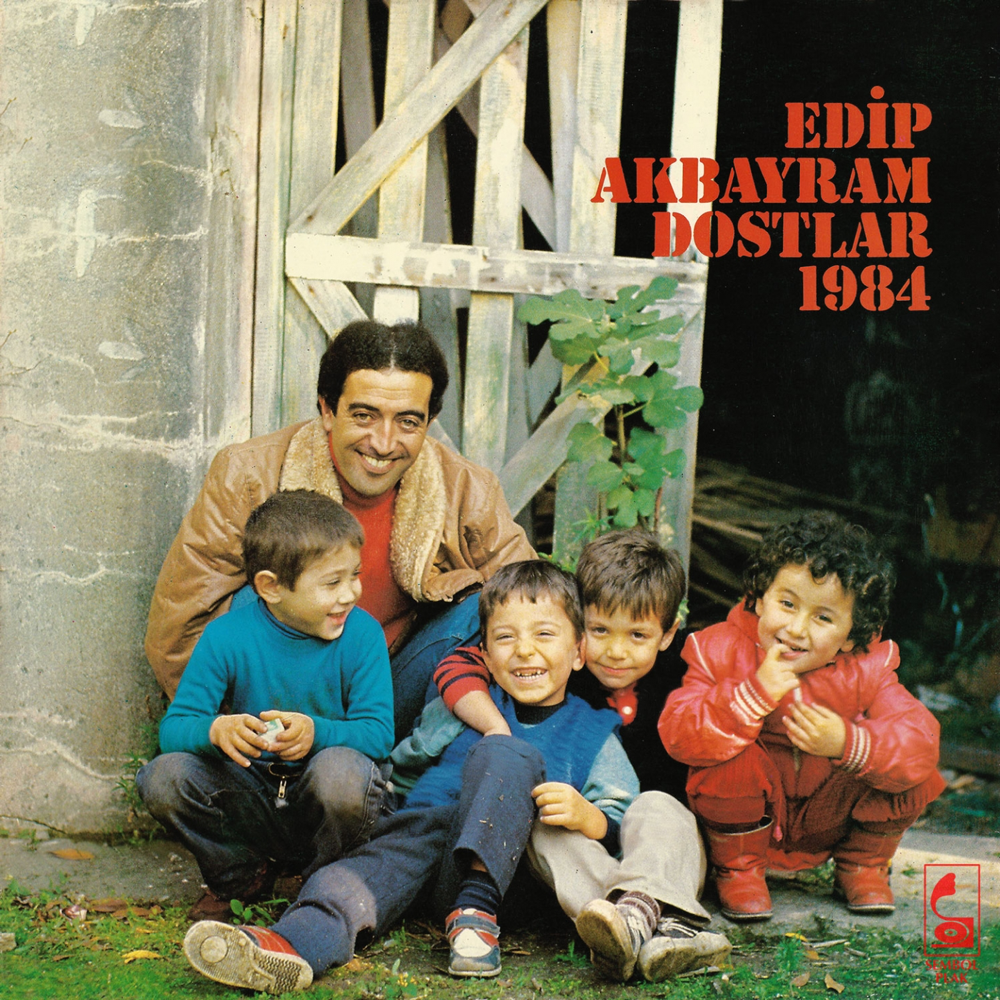
 View Artist