Song Meaning
The lyrics paint a stark picture of profound suffering, with the narrator's mother weeping by their bedside. This sorrow is not a minor inconvenience; it's a consuming force, magnifying fifty troubles into a hundred, relentlessly eating away at the narrator until death seems inevitable. The dominant tone is one of despair and resignation, a deep weariness with an unbearable affliction.
The central tension lies in the narrator's desperate plea to a physician, or 'tabip.' They implore the healer to "El çek tabip el çek benim yaremden" – to withdraw their hand from the wound. This isn't a request for treatment, but a command to cease intervention, suggesting the wound is beyond healing or perhaps that the suffering itself has become an inseparable part of their existence. The repetition of "Ölürüm kurtulmam ben bu yareden" (I will die, I won't be saved from this wound) underscores a fatalistic acceptance of their fate.
The craft here is in its directness and the stark imagery. The narrator states, "Anama babama sözüm kalmadı / Bir su ver demeye yüzüm kalmadı." This conveys a complete loss of agency and connection; they can no longer even ask for basic comfort like water from their parents. The line "Doktora tabibe lüzum kalmadı" (There's no need for a doctor or physician) directly precedes the repeated chorus, creating a powerful irony. It implies that the only 'relief' left is the cessation of life, a point where even medical help is deemed futile.
This lyrical structure and word choice create an overwhelming sense of isolation and inescapable pain. The repeated chorus acts like a mantra of despair, reinforcing the idea that the 'wound' is not just physical but existential. The narrator isn't seeking a cure; they are articulating a profound state of being where suffering is all that remains, and the only escape is death itself.
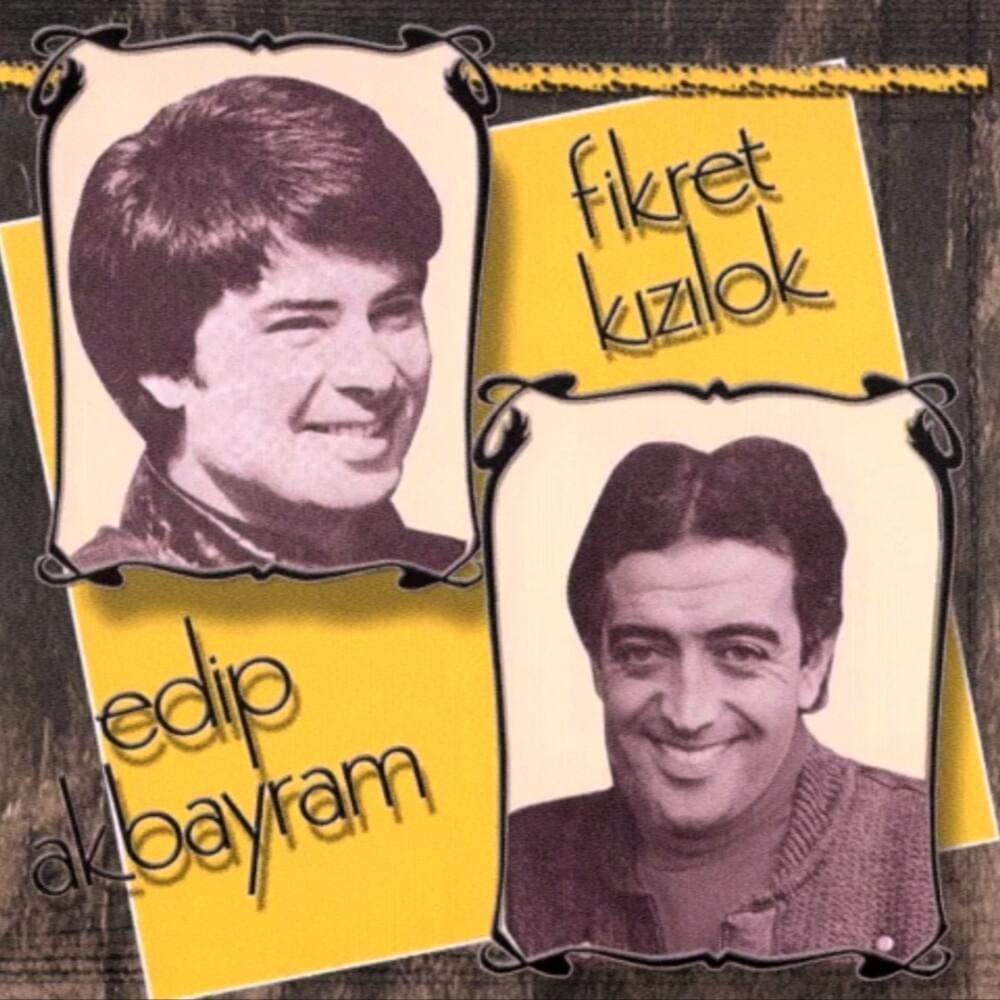
 View Artist