Song Meaning
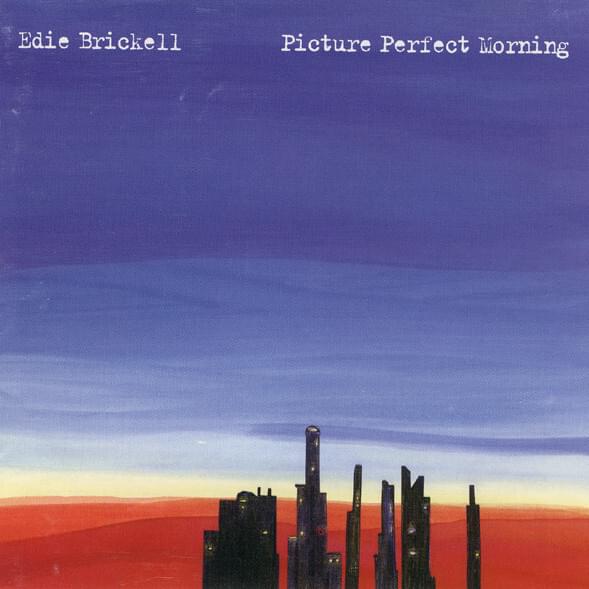
Edie Brickell's "Picture Perfect Morning" isn't a saccharine celebration of daybreak; it's a fragile, almost desperate grasp at a moment of fleeting beauty amidst profound emotional difficulty. The opening lines immediately establish a struggle with endings, a difficulty even in acknowledging beginnings. The narrator is caught in a paradox: clinging to "a good thing" while simultaneously fearing its inevitable decay. This sets the stage for the titular "picture perfect morning," which arrives not as a burst of optimism, but as a precarious, liminal space "just before the dawn." The dying city lights mirror the fading of something precious, a relationship perhaps, teetering on the brink. The cathedral imagery adds a layer of solemnity, the crying face in the stained glass a symbol of suppressed grief or impending loss. The repeated chorus acts as a mantra, a desperate attempt to fix this ephemeral moment in time.
Brickell delves deeper into the psychology of avoidance in the second verse. The narrator actively refuses to truly *see* the other person, choosing instead to exist in a state of denial. This isn't about blissful ignorance; it's a defense mechanism against the pain of acknowledging reality. The line "So I just pretend that you're not there" is particularly poignant, highlighting the emotional distance created as a shield. The repetition of the chorus reinforces this sense of being trapped in a loop, unable to break free from the cycle of denial and impending heartbreak. The "picture perfect morning" becomes less a moment of beauty and more a symbol of a beautiful illusion.
The final verse offers a glimmer of resilience, albeit tinged with melancholy. The jarring image of a plane caught in a storm, evoking fear and panic in others, fails to shake the narrator's resolve. "I was so sure that I'd see you again / I was not afraid of anything." This suggests a deep, unwavering connection to the person they are trying to avoid losing. It's as if the strength of their bond transcends even the fear of death. However, this resolution doesn't negate the underlying sadness; it simply underscores the depth of the emotional investment and the pain of potentially losing it. The song meaning ultimately resides in the tension between the desire to hold on and the inevitability of change, captured in a fleeting, "picture perfect" moment.
 View Artist