Song Meaning
The lyrics paint a picture of restless sleeplessness, with "ducks crying in the river at night" and the narrator unable to sleep. This unease is directly attributed to the central theme: "because you can't know why." The uncertainty of existence, whether it's "taken too much," "allowed too little," or "hurt too little," creates a pervasive sense of disquiet.
The narrator steps out into the night, observing "stars shining and mud resting." There's a fleeting, almost ironic mention of "seeing the money of happiness," which is immediately dismissed as "it's nothing, oh, it's just like that." This suggests a detachment from external markers of success or joy, as the internal state remains unsettled, with the narrator appearing to cry "only from the outside."
The recurring image of the "ducks crying in the river at night" and the inability to sleep returns, now accompanied by the idea of "some kind of quiet, muffled noise everywhere." This paradox of "quiet noise" amplifies the internal turmoil, suggesting that even in apparent stillness, there's an underlying agitation. The refrain "because you can't know why" solidifies the lyrical core: the inability to pinpoint the source of distress is the source itself.
This piece resonates because it captures the specific anxiety of not knowing. It’s not about a concrete problem, but the existential hum of "what if?" The contrast between the quiet night and the internal sleeplessness, the fleeting glimpse of "happiness money" only to dismiss it, and the paradoxical "quiet noise" all work together to articulate a feeling that is both deeply personal and universally recognizable in its ambiguity.
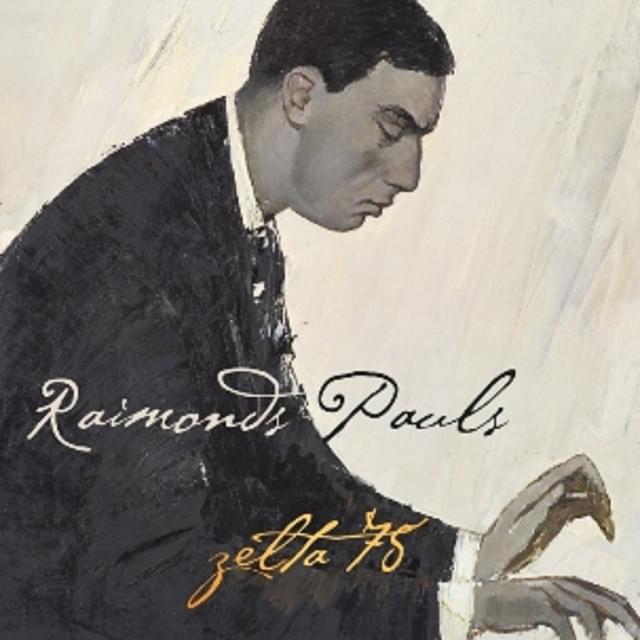
 View Artist