Song Meaning
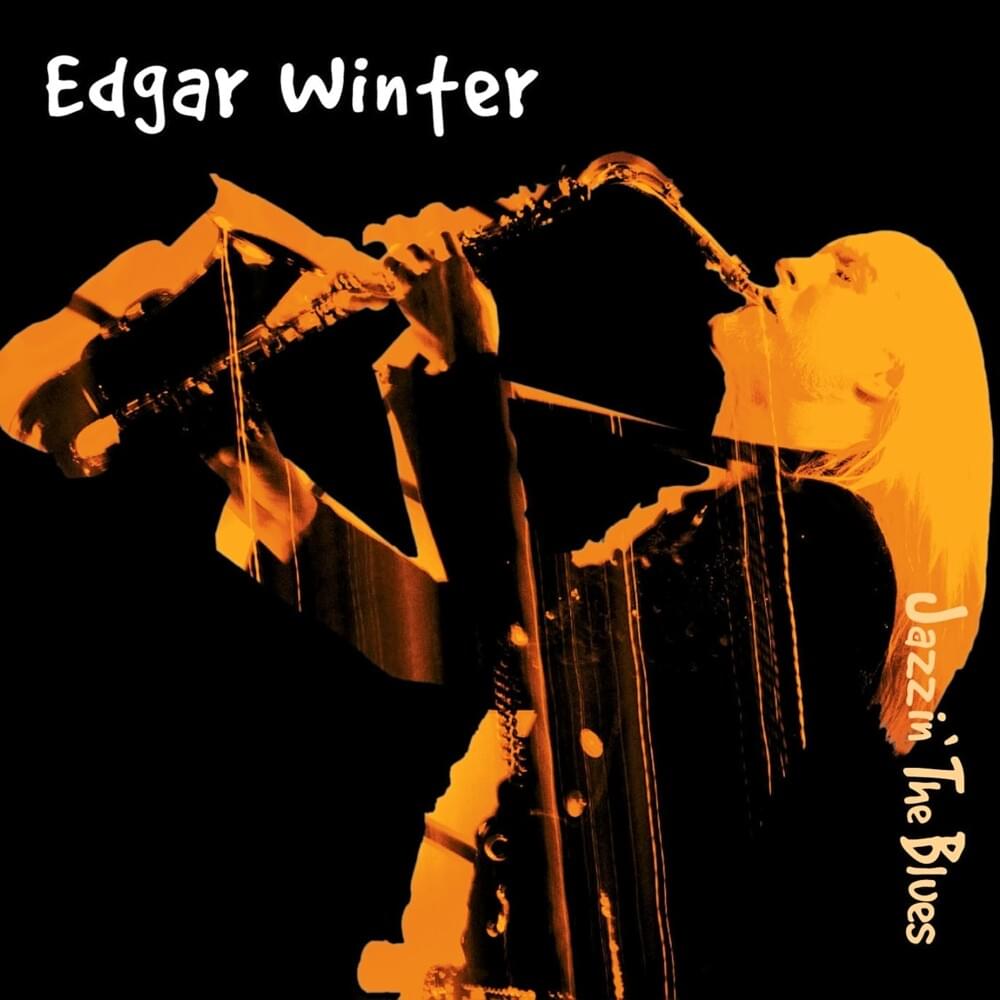
Edgar Winter's "Jazzin' the Blues" isn't just a song; it's a manifesto. It's a defiant howl against the relentless churn of musical trends, a steadfast declaration of artistic independence. In a landscape where genres clash and mutate at breakneck speed, Winter plants his flag firmly in the fertile ground where jazz and blues intertwine. The lyrics aren't concerned with chasing fleeting popularity; instead, they celebrate a deeply personal and enduring musical passion. It's about the inherent joy of creation, unburdened by the pressures of commercial success or critical acclaim. He acknowledges the ever-shifting sands of musical taste, from disco to hip-hop, retro to techno, but insists on his right to explore his unique musical voice. The song’s meaning lies in the unapologetic embrace of artistic freedom, a refusal to be confined by genre boundaries or external expectations.
Winter's lyrics are peppered with playful defiance. He's not seeking fortune or fame, only the space to "keep on jazzin' the blues." There's a hint of self-awareness, even self-deprecation, in the line "I might be my own assassin," suggesting a willingness to risk it all for his artistic vision. This isn't just about musical fusion; it's about personal authenticity. The repeated refrain, "I'm gonna keep on jazzin' the blues," becomes a mantra, a reaffirmation of his commitment to his craft. The song celebrates the transformative power of music, its ability to transcend boundaries and create something new from the familiar. It’s a celebration of the creative spirit’s resilience, its refusal to be silenced by the noise of the outside world.
The song's psychology is rooted in the artist's need for self-expression and validation. The lyrics suggest an internal struggle between the desire for recognition and the need to remain true to oneself. The line, "Music writes its own reviews," speaks to a belief in the inherent value of artistic creation, regardless of external judgment. Winter seems to be saying that the act of making music is its own reward, a form of self-discovery and self-affirmation. The song, therefore, becomes a vehicle for exploring these internal conflicts, a way of reconciling the artist's personal vision with the demands of the music industry. It’s a song about staying true to your artistic muse, even if it means facing criticism or obscurity.
 View Artist