Song Meaning
The lyrics paint a picture of a strained or uncertain relationship, hinging on the possibility of future encounters. The repeated phrase "If we meet again" establishes a sense of distance, suggesting the present moment is not one of connection. The narrator seems to be contemplating the nature of their bond, questioning its reliability with a direct, almost plaintive, "Could I depend on you / My friend?"
The core tension lies in the contrast between the desire for connection and the acknowledgment of potential separation or fundamental change. The recurring parenthetical lines, particularly "Revolution / That's all that it can be," introduce a powerful, almost fatalistic, element. This suggests that any reunion or future interaction is framed not as a simple continuation, but as a radical shift or a necessary breaking point.
The most striking aspect is the cyclical structure and the insistent repetition of "Revolution." This isn't just a word; it becomes the only possible outcome or context for any future meeting. The narrator appears to be grappling with the idea that the relationship, or perhaps their individual paths, must undergo a significant, transformative change – a "revolution" – for any meaningful reconnection to occur. The phrase "If you find your own solution / Then that's alright with me" further emphasizes this, placing the onus of change on the other person while the narrator resigns themselves to the outcome.
This lyrical approach effectively conveys a sense of unresolved conflict and a reluctant acceptance of drastic change. The simple, almost stark, language combined with the powerful, abstract concept of revolution creates a potent emotional resonance. It speaks to those moments where relationships reach a crossroads, where the only way forward is a complete upheaval, and the narrator is left waiting, questioning, and ultimately, accepting whatever comes next.
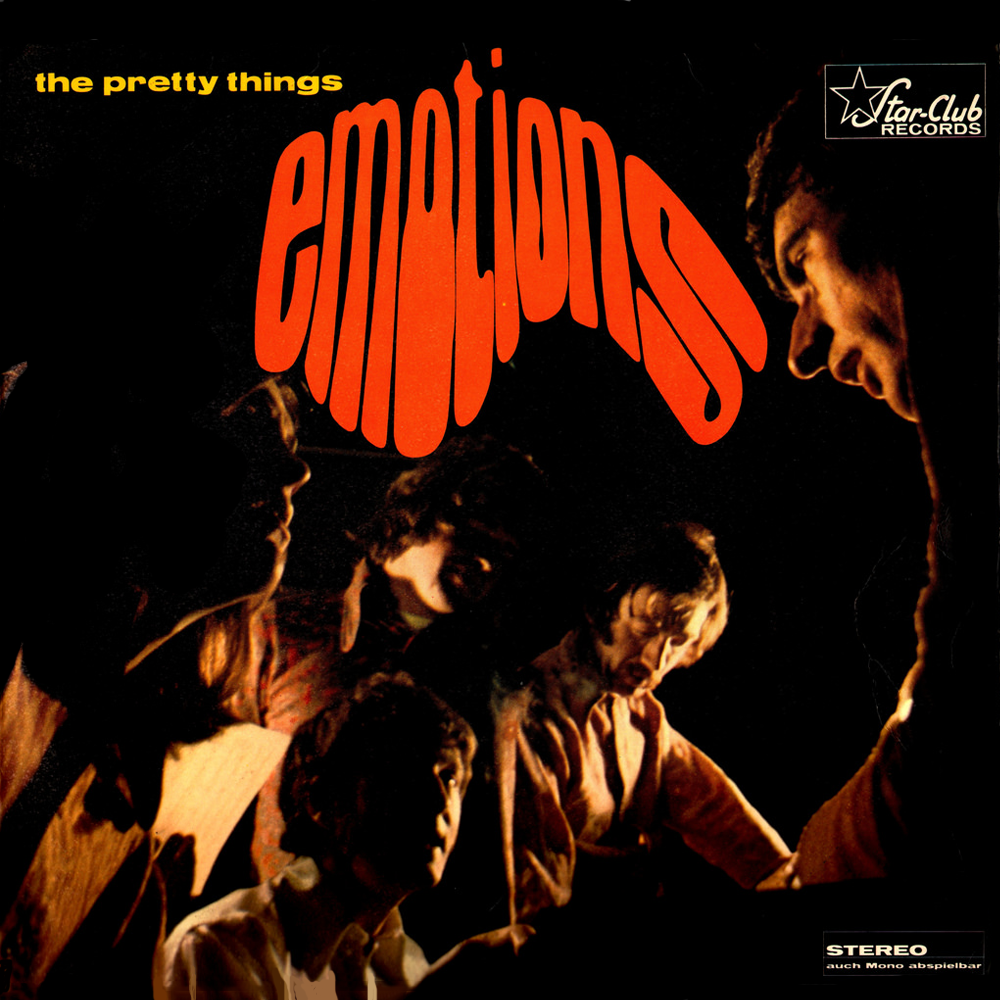
 View Artist