Song Meaning
The narrator is caught in a desperate plea, a raw confession of absolute dependence. The opening lines, "Help me help you / Don't pretend to try to try," immediately establish a sense of futility and a plea for genuine effort. There's a striking contrast between the narrator's self-proclaimed lack of external guidance ("neither God nor Master") and their overwhelming internal fixation on a single fear. This fear, stated plainly and repeatedly, is "losing you." It’s the sole anchor in what feels like an existential void.
The central tension hinges on this paradox: the narrator claims a fierce independence, yet their entire emotional world seems to orbit around the potential absence of one person. The repeated phrase "I have only one fear / Losing you" isn't just a statement; it's a mantra of vulnerability. The lyrics suggest a deep-seated insecurity, where the narrator's ability to dream and even exist is contingent on the other person's presence. The desire to "love as I want to love you" and to "dream" is directly tied to hearing the other person, implying that connection is the only source of their inner life.
The most potent lyrical device is the stark, almost brutal repetition of "losing you." This isn't a gentle lament; it's an insistent, hammering reminder of the narrator's fragile state. The contrast between this all-consuming fear and the pragmatic observation, "And yet you're not unique on earth," creates a fascinating internal conflict. It reveals a self-awareness of the potential irrationality of their fixation, yet this awareness doesn't diminish the fear's power. The narrator acknowledges the other person's individuality and the existence of others, but this rational thought is overridden by the primal terror of abandonment.
Ultimately, the effectiveness of these lyrics lies in their unflinching portrayal of absolute emotional surrender. The narrator strips away pretense, laying bare a dependency so profound it borders on self-annihilation. The raw, almost childlike confession of having "only one fear" cuts through any pretense of stoicism, making the plea for connection feel urgent and deeply human. The repeated lines about aging alone and the fear of losing the person underscore a desperate need for companionship, framed not as a preference, but as a necessity for survival.
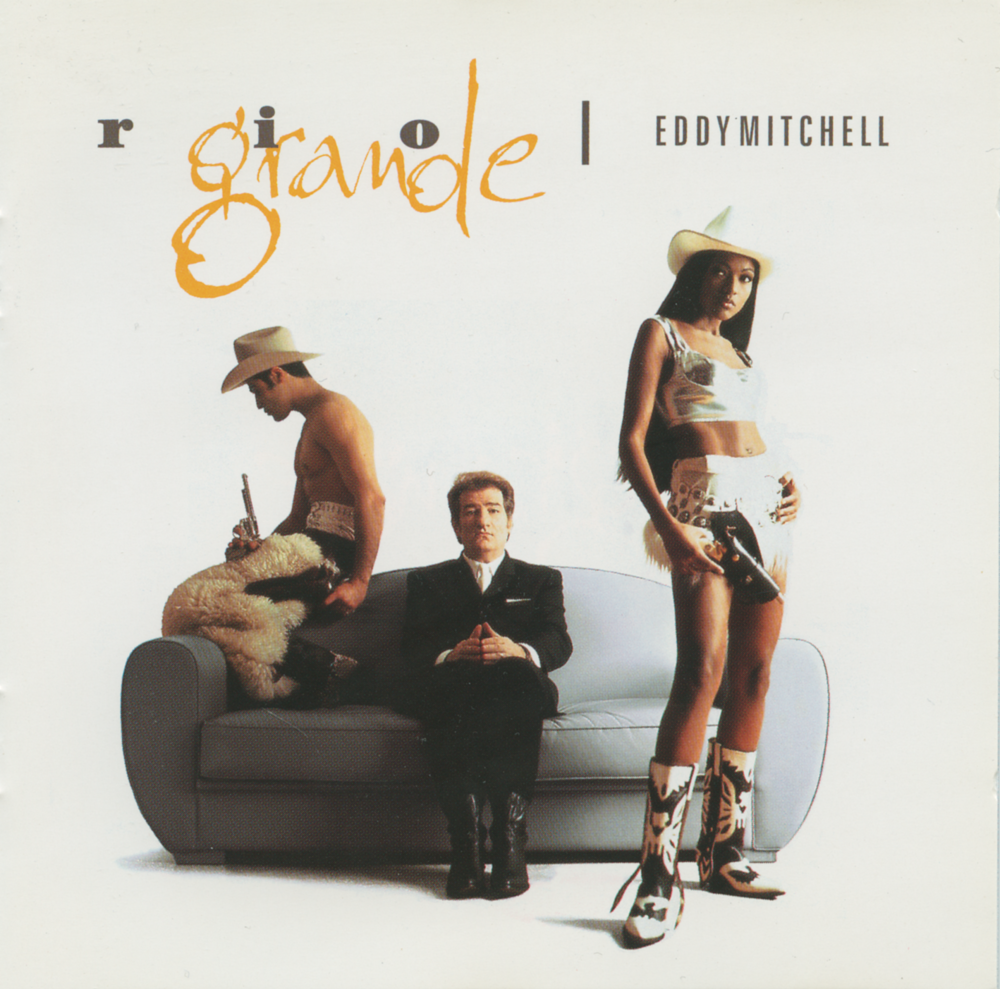
 View Artist