Song Meaning
The lyrics paint a picture of superficial gestures masquerading as genuine action or conviction. The narrator observes people performing acts of "ecology" by simply forgetting a tree, or adopting a political stance "because it's in the air," only to remain beholden to mundane rules like paying fines out of fear. This highlights a pervasive sense of performative virtue, where outward appearances and social trends dictate behavior more than deep-seated beliefs or true commitment. The narrator seems to be dissecting a societal tendency towards conformity and a lack of authentic engagement.
The central tension lies in the contrast between the desire for change or belonging and the inertia of ingrained habits and societal pressures. While the idea of being "revolutionary" is appealing, the reality of paying "contraventions" out of fear of the "gendarme" reveals a deeper adherence to the status quo. Even personal relationships, described as having "sens unique" (one-way), suggest a lack of genuine reciprocity or shared direction, reinforcing the theme of isolation within a crowd. The narrator appears critical of this passive existence.
The recurring phrase "sens unique" is the most striking craft element, functioning as both a literal traffic direction and a potent metaphor. It encapsulates the feeling of being trapped in a predetermined path, unable to deviate or turn back, whether in life choices, political leanings, or even intimate moments. The repeated plea, "Mets ta flèche tirons nous de ce sens unique" (Put your arrow, let's get out of this one-way street), acts as a desperate call for agency and a shared escape from this imposed linearity. It's a powerful image of wanting to break free from a predictable, unchangeable trajectory.
Ultimately, these lyrics resonate because they articulate a subtle but widespread feeling of being adrift in a sea of prescribed behaviors and unexamined choices. The narrator's sharp, almost cynical observations about everyday hypocrisy and the fear-driven adherence to rules make the critique feel personal and immediate. The repeated chorus acts as an anthem for anyone feeling stuck, yearning for a way to redirect their life's path away from the monotonous "one-way street" of conformity and superficiality.
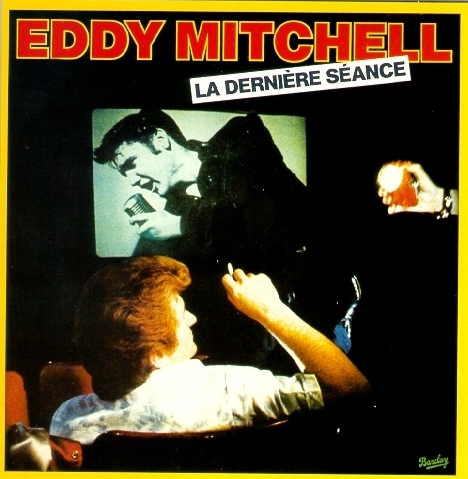
 View Artist