Song Meaning
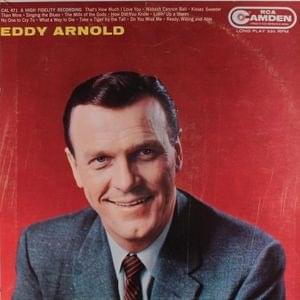
Eddy Arnold's "Wabash Cannon Ball" isn't just a song; it's a mythologized slice of Americana, a country ballad painted with the broad strokes of a nation's romanticized past. The titular train isn't merely transportation; it's a symbol of freedom, adventure, and the boundless possibilities that once defined the American spirit. The song's lyrics traverse the country, name-checking everything from the Atlantic to the Pacific, creating a sonic map of a land ripe for exploration and reinvention. The repeated refrain, "Listen to the jingle, the rumble, and the roar," invites the listener to not just hear, but *feel* the raw power and kinetic energy of this iron horse as it cuts through the landscape. It’s a sensory immersion into a bygone era of steam and steel. The Wabash Cannonball, in this context, becomes a metaphor for the relentless push westward, the unyielding spirit of progress, and the allure of the open road. The hobo's call adds a layer of melancholy, a reminder of the transient lives and untold stories carried along its rails.
Beneath the surface of travelogue imagery, "Wabash Cannon Ball" hints at deeper themes of loss and remembrance. The verse dedicated to "daddy Claxton" transforms the song into a eulogy, suggesting the train also serves as a vessel for carrying loved ones home, both literally and figuratively. The line "His earthly race is over and the curtains round him fall" uses evocative imagery to depict death. In this context, the Wabash Cannonball becomes a symbol of enduring memory, a way to keep the spirit of the departed alive. This subtle shift from celebrating the journey to acknowledging its end adds a layer of emotional complexity to the song's otherwise upbeat tempo.
Ultimately, the song’s meaning resides in its potent blend of wanderlust and nostalgia. Arnold captures a longing for a simpler time, a time when the sound of a train whistle could evoke a sense of boundless possibility and connection to the land. "Wabash Cannon Ball" is more than just a country tune; it's a carefully crafted piece of musical folklore, a romanticized portrait of America painted with the colors of freedom, loss, and the enduring power of memory. It’s a train ride through the heart of the American experience, where the journey is as important as the destination.
 View Artist