Song Meaning
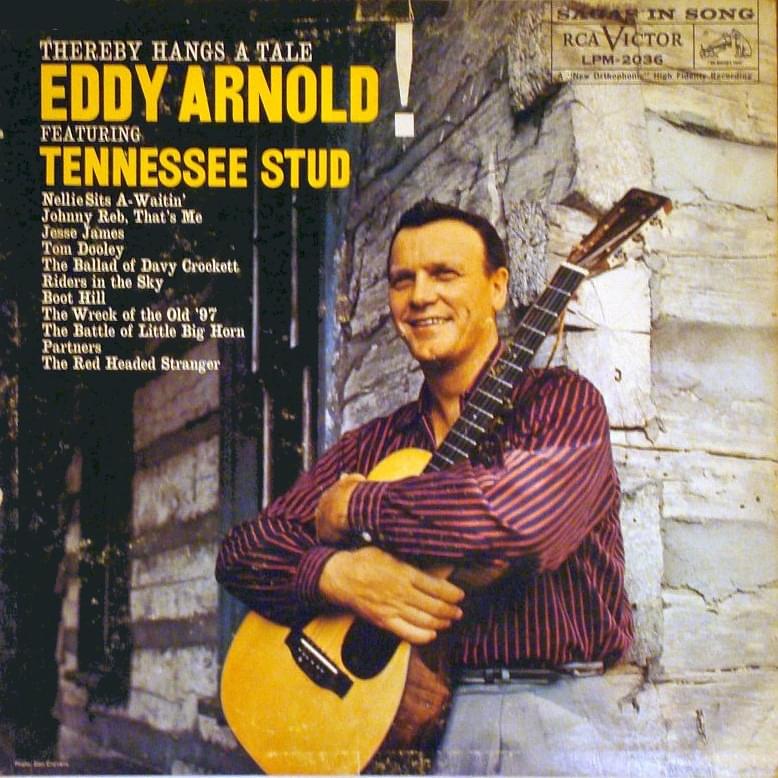
Eddy Arnold's recording of "Tom Dooley" is more than just a folksy murder ballad; it's a stark portrayal of guilt, fate, and the crushing weight of societal judgment. The repetitive chorus, "Hang down your head Tom Dooley / Hang down your head and cry / Hang down your head Tom Dooley / Poor boy you're bound to die," acts as a relentless hammer, driving home the inevitability of Dooley's execution and the public shaming he endures. The simplicity of the lyrics belies the deep psychological torment at play. The very act of repeatedly telling Tom Dooley to hang his head suggests a community eager to witness his shame, to visually confirm his guilt and their own moral superiority. There's a performative aspect to the condemnation, a ritualistic shunning of the transgressor.
The brief verses offer a chillingly direct confession: "I met her on the mountain / And there I took her life / I met her on the mountain / And stabbed her with my knife." There's no remorse expressed, no attempt to justify the act, just a cold, matter-of-fact statement of violence. This lack of emotional embellishment is deeply unsettling, forcing the listener to confront the brutal reality of the crime without the softening influence of sentimentality. The mention of Grayson and Tennessee introduces a hint of what might have been – an alternate path where Dooley avoids his fate. This fleeting glimpse of possibility only serves to heighten the tragedy, underscoring the irreversible nature of his actions and the consequences that await.
Ultimately, "Tom Dooley" is a meditation on mortality and accountability. The final verses paint a bleak picture of Dooley's impending doom: "Down in some lonesome valley / Hangin' from a white oak tree." The stark imagery of the hanging tree serves as a potent symbol of justice, but also of despair. The 'lonesome valley' suggests isolation, not just in death, but also in life; a man alone with his guilt, facing the ultimate penalty for his crime. The song's enduring power lies in its unflinching portrayal of human fallibility and the unforgiving nature of justice, leaving the listener to grapple with the complexities of sin, punishment, and the enduring shadow of the gallows.
 View Artist