Song Meaning
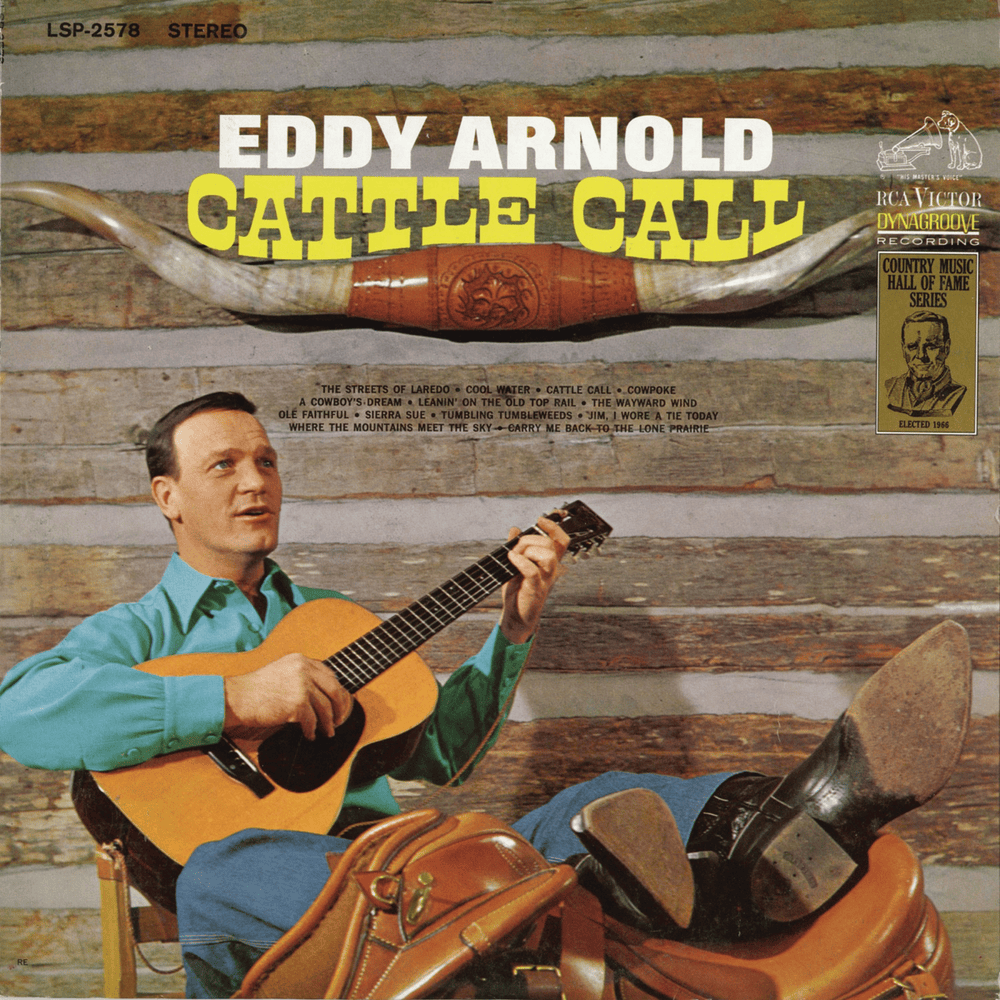
Eddy Arnold's "The Wayward Wind" isn't just a country ballad; it's a stark confession of inherited restlessness, a psychological portrait painted with the broad strokes of folk tradition. The song's central metaphor – the "wayward wind" – isn't merely a poetic flourish; it's the very essence of the narrator's being, a force that dictates his life with the inevitability of genetic code. He's not simply choosing to wander; he is *compelled* to, born "the next of kin" to this nomadic spirit. The railroad track upbringing isn't just a quaint detail; it's the origin story of his affliction, the constant sound of departures etching a permanent wanderlust into his soul. The implication is clear: environment shapes destiny, but some destinies are pre-ordained.
The tragic heart of "The Wayward Wind" lies in its acknowledgment of collateral damage. It's one thing to romanticize the open road, another to confront the wreckage left behind. The verse about the "girl in a border town" isn't just a passing anecdote; it's the cold, hard evidence of the narrator's inability to form lasting bonds. He "vowed we'd never part," but the wayward wind is a stronger force than any promise. The broken heart isn't just hers; it's a reflection of his own fractured self, forever torn between desire and destiny. The song doesn't offer excuses, only explanations.
Ultimately, the song meaning of "The Wayward Wind" transcends the typical tropes of country music. It's a haunting exploration of nature versus nurture, a somber meditation on the limitations of free will. Eddy Arnold delivers not a celebration of freedom, but a lament for the chains of inherited character. The "restless wind" isn't just out there; it's within, an unquenchable thirst that leaves the narrator forever searching, forever alone, and forever leaving a trail of broken hearts in his wake. It's a beautifully tragic song about the cost of being true to a nature you never chose.
 View Artist