Song Meaning
Eddy Arnold's "Tennessee Waltz" isn't just a song; it's a masterclass in lyrical economy, a miniature tragedy painted with broad strokes of heartache. The waltz, traditionally a symbol of romance and togetherness, becomes a cruel irony here, a soundtrack to betrayal. The song meaning resides in that contrast. It's the deceptively simple narrative of a man losing his lover to a friend, all under the seemingly innocent guise of a dance. The brilliance lies in what's *not* said. We don't need the messy details of the seduction or the confrontation. The loss, profound and irreversible, is encapsulated in the repeated lament, "I lost my little darling the night they were playing the beautiful Tennessee Waltz."
The psychological weight of "Tennessee Waltz" is immense. Consider the layers of betrayal: the lover's infidelity, the friend's treachery. The narrator isn't just mourning the loss of a romantic partner; he's grappling with a fundamental rupture in his trust of others. The waltz itself transforms into a trigger, an auditory reminder of his pain. Every time he hears it, he's forced to relive that moment of introduction, that fateful dance where everything irrevocably changed. The repetition of the chorus hammers home the permanence of his loss; time doesn't heal all wounds, especially those inflicted under the swirling lights of a dance floor.
Ultimately, Eddy Arnold's rendition of "Tennessee Waltz" resonates because it taps into a universal fear: the fear of being blindsided, of having your world upended by those closest to you. It's a song about the fragility of relationships, the ease with which trust can be shattered, and the enduring power of music to evoke even the most painful memories. The lyrics analysis reveals a raw nerve exposed, a wound that refuses to heal, all set to the deceptively lilting rhythm of a waltz.
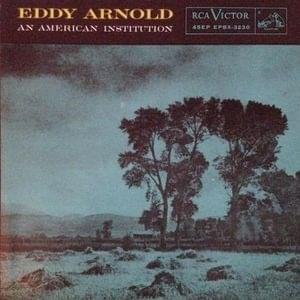
 View Artist