Song Meaning
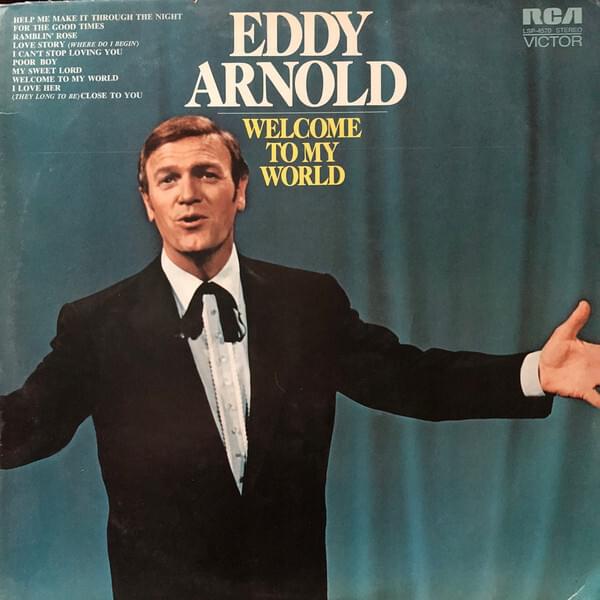
Eddy Arnold's "Ramblin' Rose" isn't just a countrypolitan waltz; it's a melancholic study of freedom versus connection, painted with the delicate strokes of a seasoned observer. The titular rose, of course, embodies a restless spirit, a soul seemingly incapable of settling. The opening lines immediately establish this tension: "Ramblin' rose, ramblin' rose, why you ramble no one knows." This isn't a celebration of wanderlust; it's an acknowledgment of a fundamental, perhaps tragic, incompatibility between the rose's nature and the human desire for rootedness. The phrase "wild and wind blown" suggests an untamed quality, beautiful but ultimately uncontainable.
The song's emotional core lies in the unspoken question of whether such a free spirit can ever truly be loved. The narrator grapples with this paradox, confessing, "Though I love you with a love true, who can cling to a ramblin' rose?" This isn't a judgment, but a lament. It's the understanding that love, in its traditional form, demands a certain level of stability, a willingness to stay. The ramblin' rose, by its very definition, defies this expectation. The repetition of "ramble on, ramble on, when you're ramblin' days are gone" introduces a subtle fear of eventual loneliness, hinting that the very quality that makes the rose so captivating might also lead to its isolation.
Ultimately, the song meaning of "Ramblin' Rose" resonates because it taps into a universal human conflict: the push and pull between the desire for freedom and the need for belonging. It’s a bittersweet meditation on the acceptance of someone's true nature, even when that nature challenges our own desires. Arnold doesn't offer easy answers, but rather invites us to contemplate the complexities of love in the face of inherent incompatibility. The lyrics analysis suggests that sometimes, loving someone means accepting their untethered spirit, even if it means never truly holding them close.
 View Artist