Song Meaning
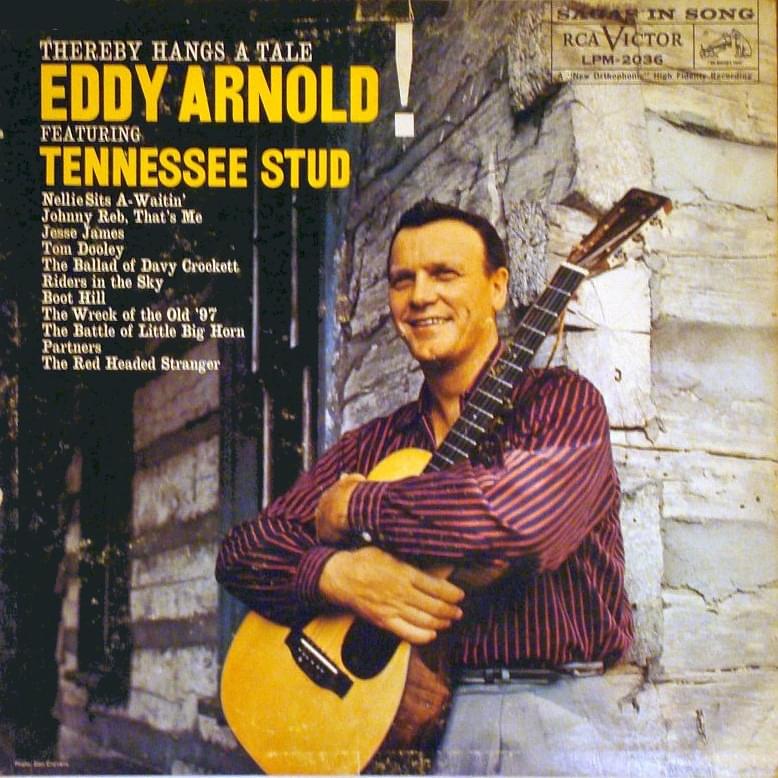
Eddy Arnold's "Partners" is a stark, chilling narrative distilled from the darkest corners of the human psyche. It's a classic tale of greed and betrayal, but rendered with a haunting simplicity that elevates it beyond a mere cautionary fable. The song hinges on the inherent tension between camaraderie and self-preservation, exploring how easily the former can crumble under the weight of avarice. The narrator, a "gay young fool," enters into a partnership fueled by the promise of riches, swearing an oath of shared fortune. Yet, the harsh realities of their situation – dwindling resources and the isolating grip of winter – expose the fragility of their bond. The lyrics paint a stark picture of moral decay, where survival trumps loyalty, culminating in the brutal act of murder.
The genius of "Partners" lies in its psychological depth. The narrator's descent into depravity isn't portrayed as a sudden shift but as a gradual erosion of conscience. The chilling matter-of-factness of "But the food ran low so I killed my friend / What else there was to do" reveals a terrifyingly pragmatic mindset. The act itself is almost presented as a logical solution to a logistical problem, highlighting the dehumanizing effect of desperation. The subsequent guilt and paranoia, however, suggest a lingering moral compass, albeit one struggling against the overwhelming weight of his actions. The personification of the howling wind as a voice of accusation ("You have killed a man") underscores the internal torment that torments the narrator.
Ultimately, "Partners" transcends a simple condemnation of greed. It delves into the psychological toll of such transgressions, portraying the narrator as trapped in a self-made hell. The final lines, blurring the line between reality and hallucination, leave the listener questioning the true nature of his torment. Is the devil at the door a literal manifestation of damnation, or simply the embodiment of his own guilt and fear? The ambiguity of the ending reinforces the song's central theme: that the pursuit of material wealth at the expense of human connection ultimately leads to a profound and irreversible loss of self.
 View Artist