Song Meaning
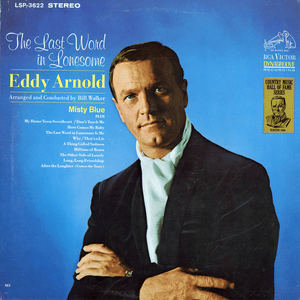
Eddy Arnold's "Misty Blue" isn't just a countrypolitan classic; it's a masterclass in melancholic longing. The deceptive simplicity of the lyrics belies a profound exploration of the human heart's stubborn refusal to let go. The color "misty blue" becomes more than just a descriptive phrase; it's a synesthetic representation of the emotional fog that descends whenever the singer confronts the lingering presence of a past love. It's the ache of memory made palpable. The song's power comes from its unflinching honesty. The narrator isn't trying to paint themselves as strong or recovered. Instead, they confess the utter futility of their attempts to move on.
The core of "Misty Blue" lies in the conflict between the head and the heart. The singer rationally knows they *should* forget, acknowledging the passage of "such a long, long time." There's a surface-level belief that they *should* be over it. But the mere "mention of your name" is enough to reignite the dormant flame of desire and memory. This exposes a raw nerve: the painful realization that time doesn't necessarily heal all wounds, especially when those wounds are self-inflicted by the lies we tell ourselves to cope with loss. The phrase "I'm glad we're through" becomes a poignant symbol of this internal battle, a statement of false bravado immediately undermined by the heart's truth.
Ultimately, the song meaning of "Misty Blue" resides in its portrayal of love's enduring power, even in its absence. It's about the way a single thought, a fleeting memory, can shatter the illusion of closure and plunge us back into the depths of heartache. Eddy Arnold delivers it with a world-weariness that suggests he understands this cycle intimately. The repetition of the final lines emphasizes the inescapable nature of this emotional state, a perpetual loop of longing where the past continues to define the present. It's a blue so deep, it colors everything.
 View Artist