Song Meaning
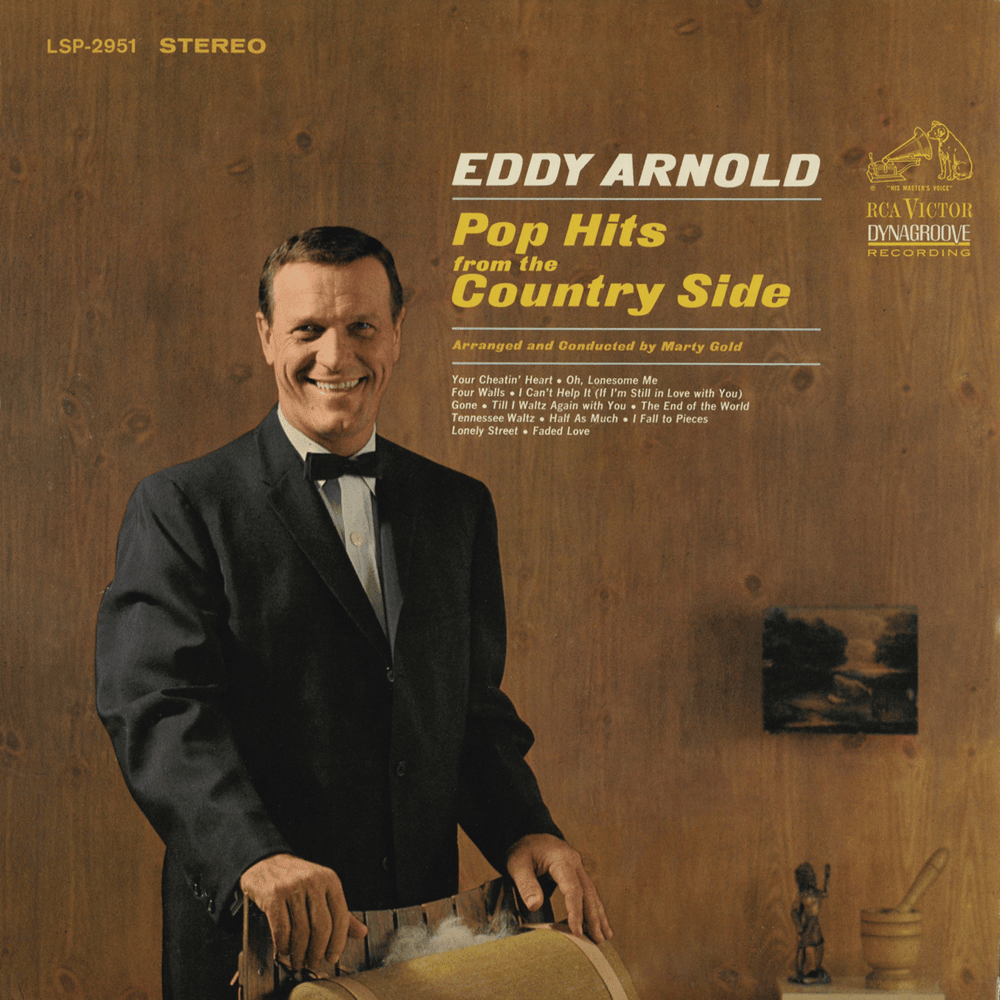
Eddy Arnold's "Lonely Street" isn't just a song; it's a gothic-tinged real estate search for the soul's darkest cul-de-sac. The track relentlessly circles a singular, burning question: "Where's this place called Lonely Street?" This isn't mere geographical curiosity; it's a desperate plea to locate a space perfectly calibrated for heartbreak. The street itself is less a physical location and more a psychological state, a carefully constructed environment designed to amplify and validate the singer's profound sense of isolation. It’s the kind of place where the shadows are long, and the neon signs flicker with the promise of oblivion. The genius of the song lies in its understanding of how we seek external validation for internal pain, projecting our inner turmoil onto the world around us.
Arnold isn't just looking for any street; he needs one where "broken dreams and mem'ries meet." This is not accidental tourism; it's intentional immersion in a landscape of loss. The "dim lights" offer "forgetfulness," a temporary anesthetic for the soul. It's a place where the past isn't just remembered, but actively mourned in a shared, almost communal, atmosphere of desolation. The repeated questioning emphasizes the desperation of the search. It is as if the singer believes that locating this physical manifestation of his emotional state will somehow legitimize or even alleviate his suffering.
The subtle implication is that on "Lonely Street," misery loves company. The singer hopes to find "someone such as I," suggesting a twisted form of solace in shared sorrow. He envisions a space where the rituals of heartbreak—burying dreams, watching love die—are not only understood but expected. "Lonely Street" becomes a sanctuary for the emotionally dispossessed, a place where the burden of grief is eased by the presence of others carrying similar weight. The repetition of the question, "Where's this place called Lonely Street?" transforms from a simple inquiry into a haunting mantra, a testament to the enduring power of loneliness to shape our perceptions and drive our desires.
 View Artist