Song Meaning
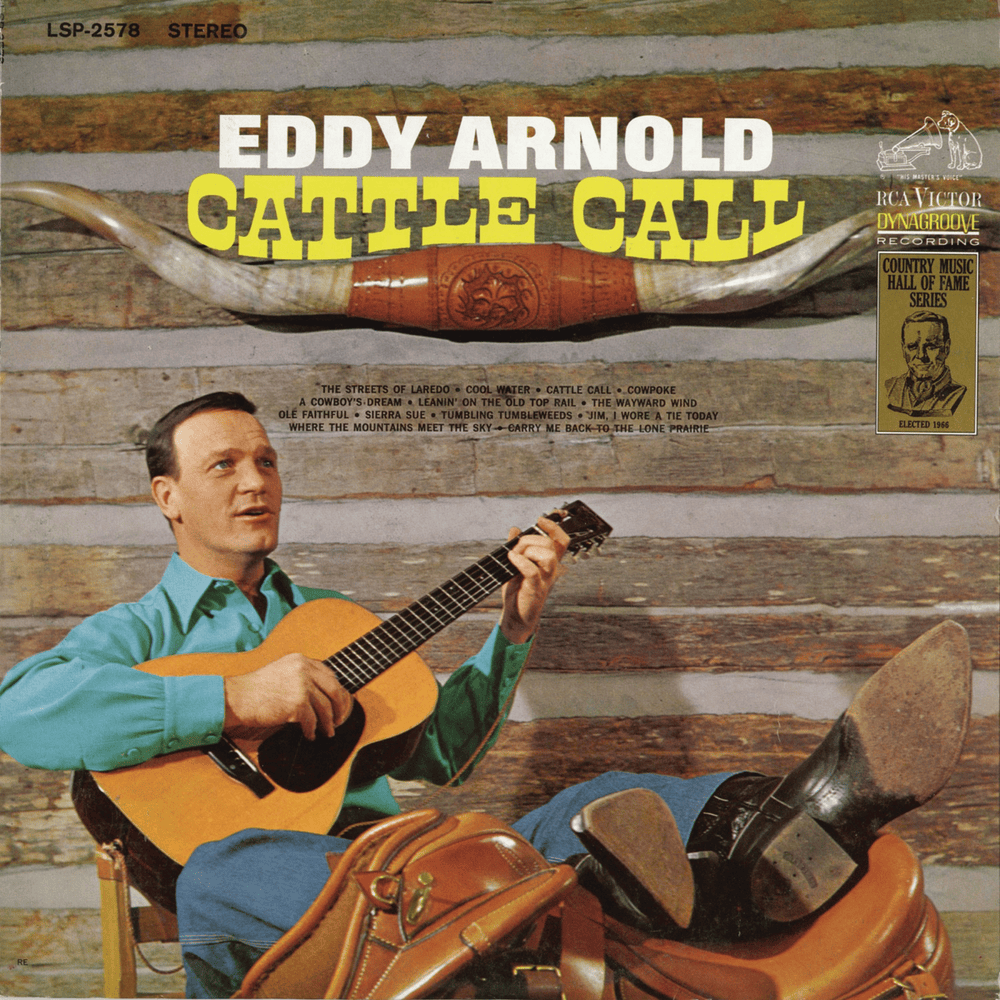
Eddy Arnold's "Leanin' on the Old Top Rail" isn't just a country lament; it's a study in the psychology of longing and the slow burn of unfulfilled promises. The recurring image of the 'old top rail' and the 'big corral' isn't merely a pastoral scene. It’s a fixed point, a locus of memory and expectation. The corral, a space meant for containing and connection, becomes a cage of solitude as the singer gazes down the 'twilight trail,' a path fading into the uncertainty of the future. The 'long lost pal' isn't just absent; he represents a broken bond, a disruption of the expected social order within the corral's community.
The repetition in the lyrics underscores the cyclical nature of grief and anticipation. Each verse reinforces the initial image, deepening the sense of stagnation. The pal's departure, marked by a song and a promise ('I'll be back another day'), is rendered all the more poignant by its contrast with the present reality. The 'mustang,' a symbol of freedom and untamed spirit, becomes an instrument of separation, carrying the pal away from the shared space of the corral. This image cuts sharply into the singer's present, where the freedom of the mustang becomes the chains of the singer's static position.
And that final image shift – 'Now the moon is shining pale on a lonesome gal' – reframes the entire narrative. The song is not simply about the loss of a male companion, but the isolation and vulnerability experienced by a woman left behind. The 'pale' moonlight casts a cold, unforgiving light on her solitude, emphasizing the emotional distance between her and the departed pal. The corral, once a symbol of community and shared labor, now encloses only her, highlighting the gendered dimensions of abandonment and the quiet endurance of those left to wait and remember.
 View Artist