Song Meaning
Eddy Arnold's "Don't Rob Another Man's Castle" isn't just a simple country ballad; it's a stark morality play condensed into three minutes. The foundational metaphor—a man's home as his inviolable castle—immediately establishes the sanctity of domestic life, regardless of its material wealth. Whether it's "a shack down alongside the track," the emotional investment, the sense of ownership and belonging, renders it sacred. The warning against theft isn't just about physical possessions; it's about the far more profound violation of stealing a man's partner, his emotional bedrock. The song subtly invokes a psychological principle: the profound damage inflicted by disrupting another person's core attachment.
The song's gravity comes from the embedded commandment: "Thou shalt not steal." This isn't merely a suggestion; it's presented as an immutable law, a cornerstone of social order. The consequences of ignoring this law aren't just ethical; they're karmic. The lyrics hint at a deeper, almost mystical retribution: "when you steal a man's dreams, You'll never know then how you'll pay." This taps into a universal fear of unseen consequences, of a moral debt that will inevitably come due. The song shrewdly preys on the listener's inherent sense of justice, suggesting that violating another's happiness invites a proportionate suffering.
The final verse twists the knife. The singer confesses his own transgression: "I robbed another man's castle / Now someone just stole her from me." This isn't just a cautionary tale; it's a personal reckoning. The song deftly avoids self-pity, instead presenting a cold, hard truth: actions have consequences. The cyclical nature of the narrative—the robber becoming the robbed—underscores the song's central theme: the sanctity of relationships and the inevitable pain that follows when those boundaries are violated. "Don't Rob Another Man's Castle" resonates because it speaks to our deepest fears of betrayal and the unsettling possibility that we might one day reap what we sow.
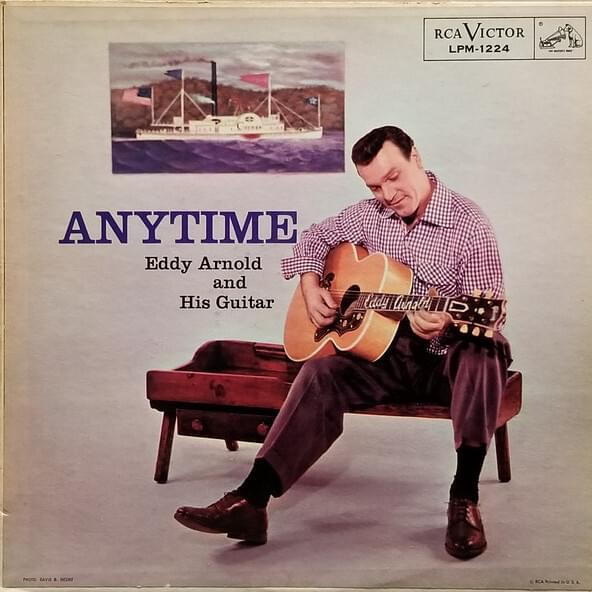
 View Artist