Song Meaning
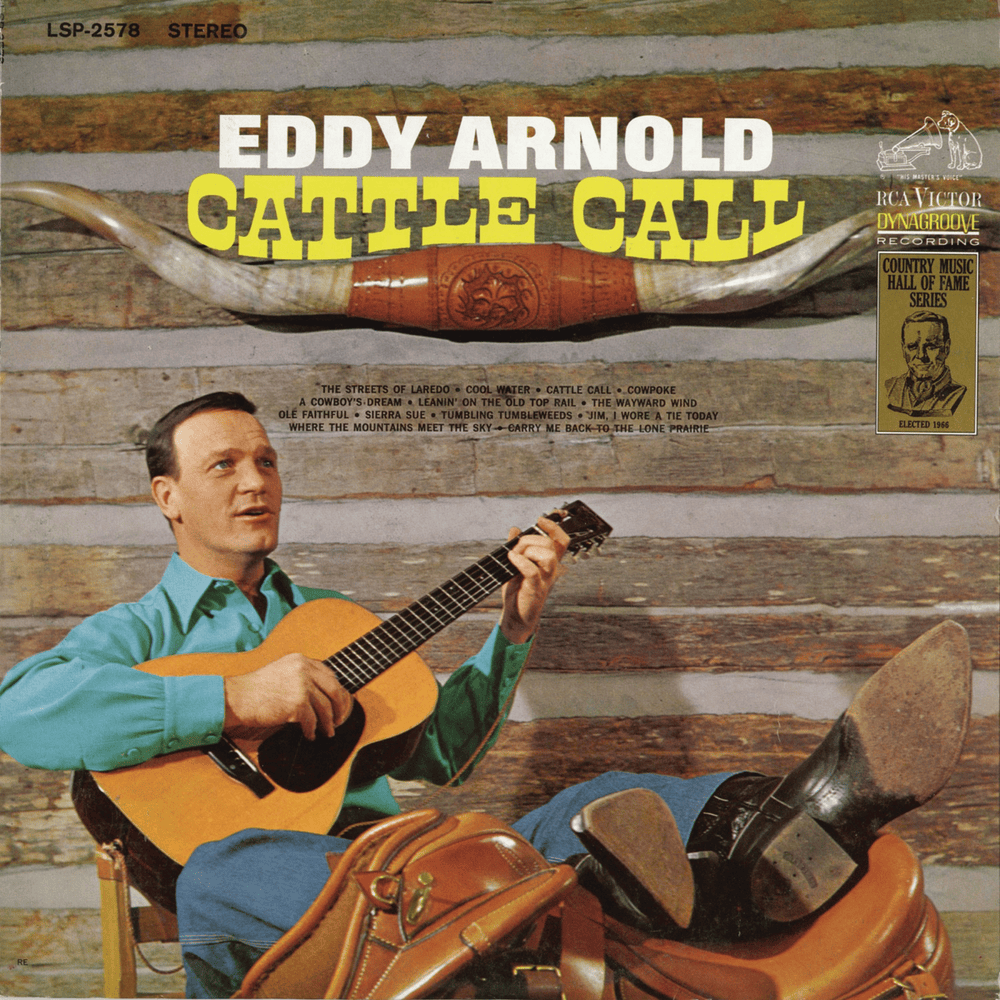
Eddy Arnold's "Carry Me Back to the Lone Prairie" isn't just a wistful cowboy tune; it's a stark expression of existential longing, thinly veiled in the romanticism of the Old West. The surface narrative paints a familiar picture: a wandering cowboy, far from his beloved prairie, yearning for the simplicity and freedom of his past. But scratch beneath the surface, and you'll find a deeper exploration of mortality and the search for a place to truly belong. The constant refrain, "Carry me back to the lone prairie," becomes less about geography and more about a primal desire to return to a state of natural, unburdened existence.
The "lone prairie" itself functions as both a physical location and a psychological state. It represents a space where the individual is dwarfed by the vastness of nature, where the "coyotes howl and the wind blows free," suggesting a world indifferent to human concerns. This indifference, paradoxically, is what provides solace. The cowboy's wish to be buried there, "'Neath the western skies," is not merely a preference for a scenic burial ground; it's a desire to be reabsorbed into the elemental forces of the universe, to find peace in anonymity.
Ultimately, "Carry Me Back to the Lone Prairie," when viewed through a modern lens, speaks to our universal anxieties about death and the search for meaning in a chaotic world. The cowboy's yearning for the prairie is a yearning for a simpler time, a simpler self, and a simpler end. It's a song that resonates not just with those who romanticize the West, but with anyone who has ever felt the pull of home, the weight of the world, and the quiet dread of their own mortality.
 View Artist