Song Meaning
Eddie Rabbitt's "Two Dollars in the Jukebox" isn't just a country lament; it's a raw, economic snapshot of heartbreak. The song meaning hinges on the narrator's desperate attempt to medicate his pain away. The opening lines, detailing the meager funds allocated to the jukebox and the bottle, paint a picture of a man clinging to fleeting comforts. It's a budget of sorrow, carefully planned to dull the sharp edges of a recent and devastating loss. The repetition emphasizes the cyclical nature of his coping mechanism, hinting at a deeper, perhaps self-destructive, pattern. He knows tomorrow brings financial and emotional ruin, yet he's compelled to spend what little he has on temporary escape. This isn't about celebration; it's about survival, hour by hour.
The core of the song lies in the repeated questioning: "Why do I / Need to see those blue eyes / Looking at me that way again?" This isn't a simple longing for a lost love; it's a compulsion, an addiction to a specific kind of attention, even if it's ultimately destructive. The narrator acknowledges the "sin" of wanting her back "after the way she did me," revealing a conflict between his rational understanding of the relationship's toxicity and his overwhelming emotional need. It speaks to the complex psychology of attachment, where familiarity, even if painful, can be more comforting than the unknown of moving on. The lyrics powerfully suggest a man trapped in a loop of desire and disappointment.
"How could she / Just walk out and leave me?" This isn't a question seeking an answer; it's an expression of profound disbelief and betrayal. The narrator is wrestling with the abruptness and finality of the breakup, unable to reconcile the intimate "nights in her arms" with his current desolate state. The juxtaposition highlights the jarring contrast between past intimacy and present isolation, amplifying the pain of abandonment. The phrase "Look where I am" is a pointed indictment, not just of his physical location (presumably a bar), but of his entire emotional state. Ultimately, “Two Dollars in the Jukebox” uses a stark, economical framework to explore the high cost of heartbreak, both financially and psychologically. It's a portrait of a man caught between the desire for oblivion and the lingering hope for reconciliation, even when he knows it's a losing game.
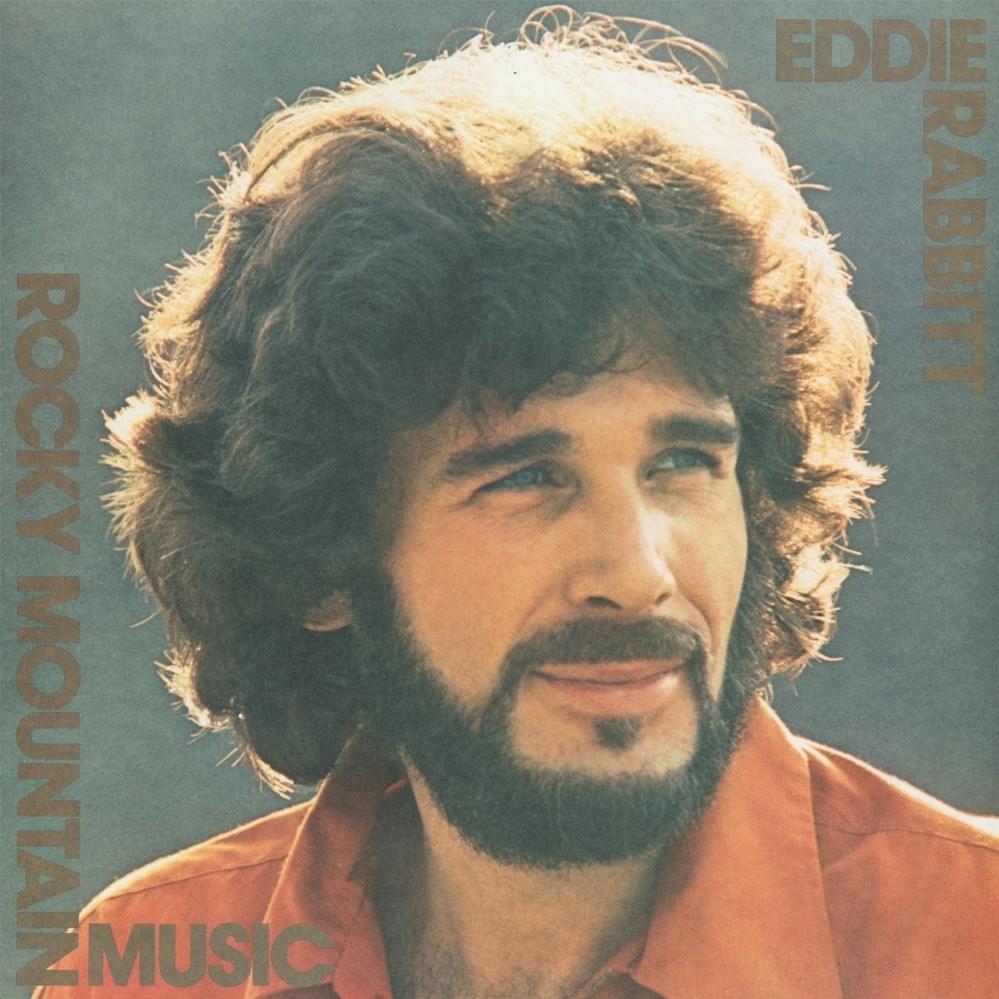
 View Artist