Song Meaning
Eddie Rabbitt's "Sorry That I'm Sorry Again" is a raw and unflinching look at the cyclical nature of remorse in a flawed relationship. The song isn't just an apology; it's an acknowledgment of a deeply ingrained pattern of behavior. The narrator readily admits his shortcomings—his crudeness, his tendency to embarrass his partner—and the pain he inflicts. The repetition of the phrase "sorry that I'm sorry again" underscores the weariness and frustration that comes with perpetually falling short of one's own ideals and the expectations of a loved one. It’s the sorrow of knowing that apologies have become a reflex, almost devoid of genuine change. The admission, "the promises I make, I just as quickly break," highlights the self-awareness of his destructive patterns.
The song’s core conflict lies in the tension between genuine affection and the inability to translate that affection into consistent, positive action. He declares his love, stating, "I also love you more than I can say," and recognizes her worth, calling her "the best thing that's happened to me." Yet, these heartfelt sentiments are juxtaposed with the repeated admission of causing hurt. The listener is left to grapple with the complexities of a relationship where love and pain are inextricably intertwined, a situation where good intentions are constantly undermined by habitual failings.
What elevates "Sorry That I'm Sorry Again" beyond a simple country ballad is its psychological realism. It captures the frustrating loop of self-recrimination and the difficulty of breaking free from established patterns. The fleeting promise of change, "I promise you this time, I'm gonna change," offers a glimmer of hope, but the weight of the repeated apologies casts a shadow of doubt. The song doesn't offer easy answers or a tidy resolution, but rather presents a portrait of a relationship struggling under the weight of repeated mistakes and the genuine, yet insufficient, remorse that follows.
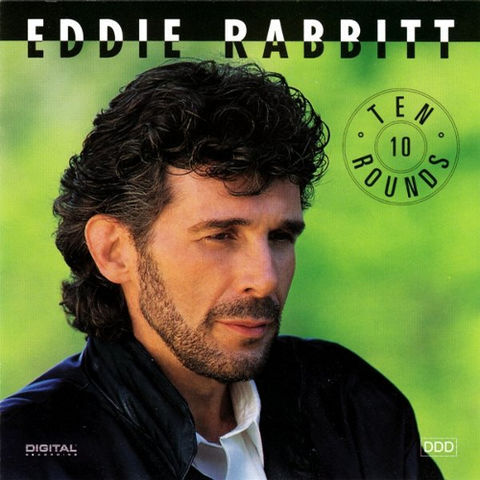
 View Artist