Song Meaning
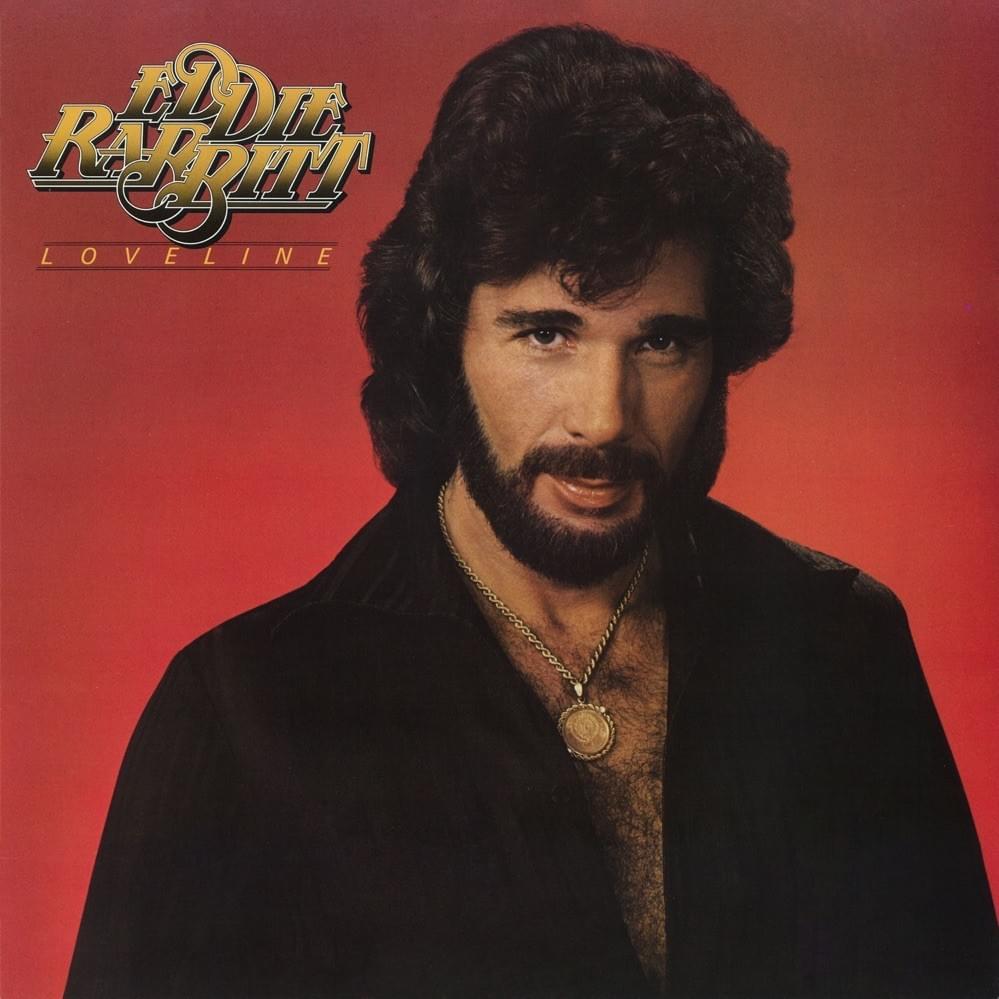
Eddie Rabbitt's "Loveline" isn't just a catchy country-pop tune; it's a study in codependency, masked as devotion. The lyrics paint a portrait of a man utterly, almost unnervingly, available. He's not just offering support; he's positioning himself as a last resort, a "lifeline" for a woman he seems to believe is perpetually on the verge of emotional crisis. The repeated refrain, "If you ever need me," becomes less a promise and more a plea, a subtle form of emotional manipulation disguised as selfless love. The song's core message hints at a relationship dynamic where one person's well-being is entirely contingent on the other's perceived needs. This creates an unhealthy imbalance, where the singer sacrifices his own emotional health for the sake of being needed. It's a precarious foundation for any relationship, built on the quicksand of insecurity and the constant expectation of needing to be rescued. This is not unconditional love, but rather love with strings so tightly attached they could strangle.
Beneath the surface of the saccharine melody lies a darker undercurrent of resignation. The lines "It's just my heart you're breaking / I don't mind / Though my whole world is shaking / I'll be fine" expose a willingness to endure pain for the sake of maintaining the connection, however tenuous. This isn't strength; it's a kind of self-inflicted martyrdom, a choice to suffer in silence rather than risk losing the object of his affection. The image of him "sitting by my window / Wondering where you are now" evokes a sense of isolation and longing, further reinforcing the idea that his happiness is entirely dependent on her presence. While the lyrics attempt to offer a message of hope ("Just remember there's a rainbow"), they're undermined by the underlying tone of desperation and the implication that this woman needs constant reassurance.
Ultimately, the song meaning of "Loveline" explores the dangers of imbalanced relationships and the subtle ways in which love can become a form of self-sabotage. It begs the question: Is he truly offering support, or is he trapping himself in a cycle of need and dependence, mistaking availability for genuine connection? The song is less a celebration of love and more a cautionary tale about the blurred lines between devotion and emotional enmeshment. The repeated mantra of "Baby, I'm your loveline" transforms from a comforting affirmation into a haunting echo of self-denial.
 View Artist