Song Meaning
Eddie Rabbitt's "Can You Tell Me a Story" isn't just a lullaby; it's a portal into the psychology of comfort and the vital role of narrative in shaping young minds. The song's surface simplicity—a child's repeated request for a bedtime story—belies a deeper exploration of how stories provide solace and structure in the face of the unknown. It speaks to the innate human desire for narrative, particularly in moments of vulnerability like drifting off to sleep. The specific requests – a lost doll, a knight rescuing a princess – aren’t random. They represent archetypal narratives of overcoming adversity and finding safety, anxieties a child may be unconsciously processing. The lyrics underscore how these stories aren't just heard; they're visualized, actively constructed in the child's imagination, offering a safe space to explore emotions and scenarios.
The song functions as a gentle reminder of the power of storytelling to instill hope and resilience. The recurring image of a knight saving a princess, for example, provides a framework for understanding conflict and resolution. The act of 'picturing the people and the places' is crucial. It's not passive listening, but active participation in creating a world where problems can be solved and 'everything turned out alright.' This highlights the crucial role of narrative in developing a child's sense of agency and belief in a positive future. The bedtime story becomes a ritual, a buffer against the anxieties of the day and a preparation for the uncertainties of sleep.
Ultimately, “Can You Tell Me a Story” uses the simplicity of a child's request to point toward a profound truth: that stories are not just entertainment, but essential tools for navigating the complexities of life. The repetition of the request emphasizes the child's need for this comfort, highlighting the profound impact a simple story can have on a young mind. It suggests that, even in adulthood, the need for narrative and the comfort it provides never truly disappears; we simply seek it in different forms.
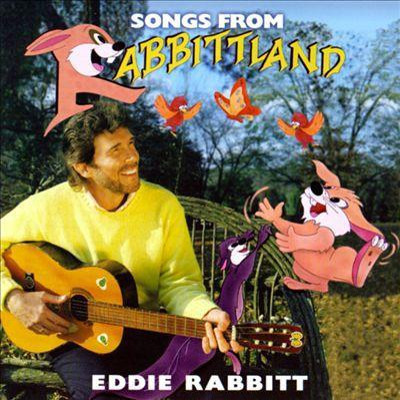
 View Artist